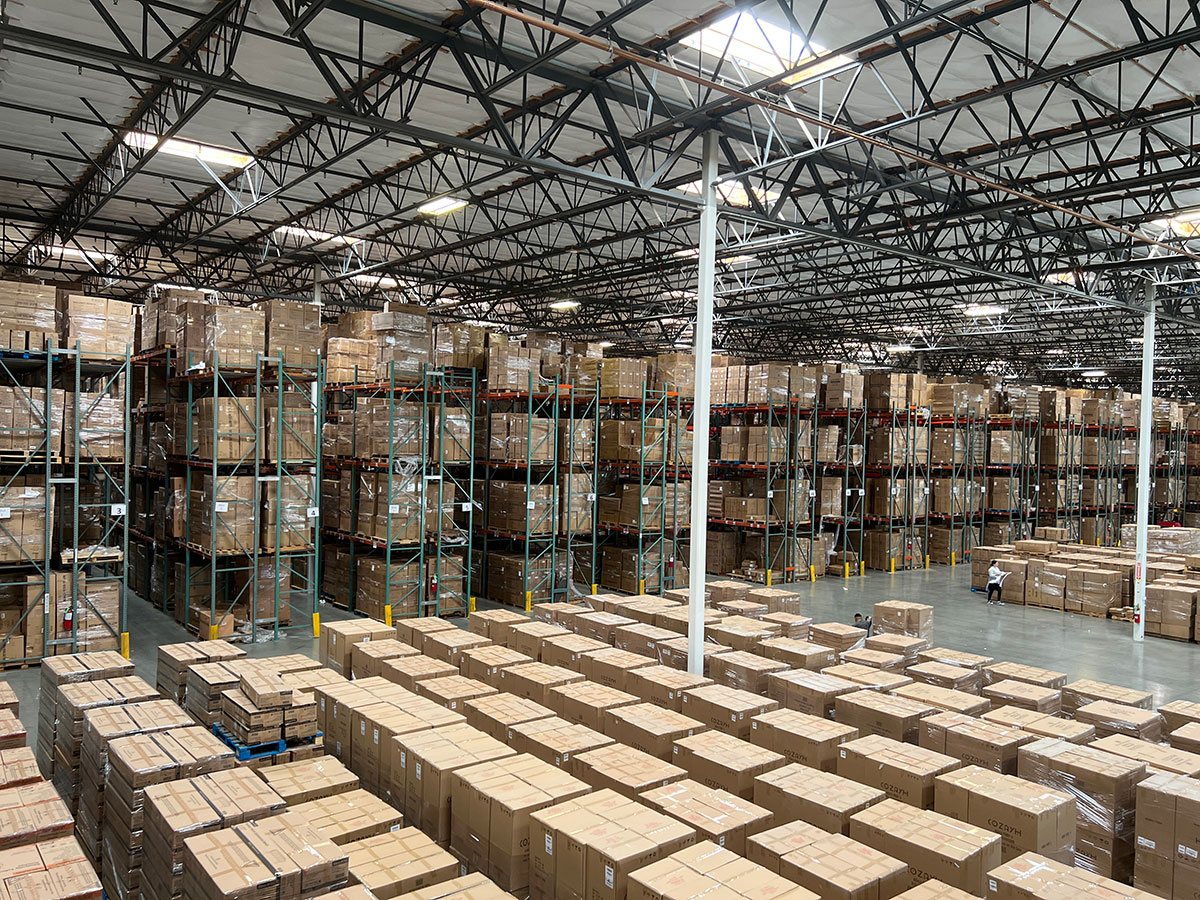
A U.S. importer has $750,000 of merchandise ready to leave China.
The ocean rate is higher than expected.
Wait a few weeks, and freight might soften.
Ship now, and the company locks in today’s transportation cost—but gets inventory into the United States sooner.
Which decision saves more money?
In 2026, that question has become much harder to answer.
The National Retail Federation now forecasts 2.31 million TEUs of U.S. imports in September, up 9.6% year over year and potentially the busiest month of 2026. Just one month earlier, NRF expected September volume of only 2.16 million TEUs and said the early peak season was winding down.
That reversal should get the attention of any company importing meaningful volume from China or elsewhere in Asia.
Because the real risk is no longer simply paying too much for freight.
It is assuming you have more time to make a shipping decision than the market gives you.
Why Importers Are Moving Earlier—and Later
Importers spent much of 2026 bringing merchandise forward ahead of tariff changes and other supply chain risks.
Then conditions shifted again.
Weather delays in China, Panama Canal concerns, rising fuel costs and resilient U.S. consumer demand helped extend the import peak into September, according to the National Retail Federation.
The Port of Los Angeles provides another signal.
From June through August, the port handled approximately 2.9 million TEUs, a record for a three-month period, as retailers accelerated holiday imports partly to get ahead of tariffs and higher fuel costs, according to Reuters.
Meanwhile, waiting has not guaranteed cheaper freight.
Freightos reported September transpacific rates of about $7,600 per FEU to the U.S. West Coast and $9,500 to the East Coast. Elevated demand and higher fuel costs have helped keep rates near levels last seen during the 2024 peak season.
For importers, this creates a difficult tradeoff.
Move too early and you may carry inventory longer than necessary.
Wait too long and a change in tariffs, capacity, fuel costs or transit conditions can erase the savings you were waiting for.
The Cheapest Freight Rate Can Still Be the More Expensive Decision
Return to that $750,000 shipment in China.
Suppose waiting saves $1,500 on ocean freight.
That looks like a win.
But what happens if waiting also means:
- additional tariff exposure;
- a missed sailing;
- another week of transit;
- a retailer stockout;
- an emergency airfreight shipment; or
- inventory arriving after the selling window begins?
The $1,500 saving becomes almost irrelevant.
But frontloading everything is not the answer either.
Inventory arriving 60 days early ties up working capital, consumes warehouse capacity and increases carrying costs before the merchandise produces revenue.
So the decision should not be:
Ship now or wait?
It should be:
At what point does the financial risk of waiting become greater than the cost of moving now?
That is the number sophisticated importers need to know.
Four Numbers to Calculate Before Your Next China Shipment
Before a significant shipment leaves Asia, finance, procurement, and logistics should put four numbers on the same page.
1. Tariff and Duty Exposure
Know the HTS classification, country of origin, current duty treatment, and potential exposure to announced or anticipated trade changes.
Customs planning belongs upstream—before routing and booking decisions become difficult to reverse.
2. Total Transportation Cost
Do not compare ocean rates alone.
Include origin charges, fuel adjustments, destination fees, drayage, warehousing, handling, and possible detention or demurrage.
The freight quote is not the landed cost.
3. Cost of Arriving Early
What does holding another 30 or 60 days of inventory actually cost?
Include financing, warehousing, insurance, handling, and obsolescence risk.
4. Cost of Arriving Late
This may be the most important—and most frequently overlooked—number.
Calculate the potential cost of stockouts, lost sales, retailer penalties, production interruptions, missed Amazon availability, or emergency airfreight.
Now compare all four.
That comparison gives management something much more useful than another freight quote:
a financial trigger point for when cargo should move.
Where Importers Lose Their Advantage
Many companies still make these decisions separately.
Procurement negotiates the factory price.
A customs broker reviews classification.
A freight forwarder books transportation.
The warehouse manages inventory.
Finance sees the total cost afterward.
That works when markets are predictable.
It becomes expensive when tariffs and transportation conditions move faster than internal decision-making.
Anton Tombu, Business Development Director at XCT Logistics works with U.S. importers to review shipment timing, freight options, customs coordination and inventory requirements before cargo leaves Asia—while the importer still has choices.
That timing is important.
The greatest logistics advantage may not be predicting the next tariff, rate increase or disruption.
It may be knowing the financial threshold at which your company should act before everyone else does.
September’s unexpected import surge reinforces that point.
Peak season is no longer simply a date on the logistics calendar. Tariffs, fuel prices, capacity, weather and demand are creating shipping windows that can open—and close—quickly.
Importers who identify those windows early have options.
Those who identify them after inventory becomes urgent usually have higher costs.
Before your next significant shipment leaves China or Asia, calculate the cost of moving now and the cost of waiting.
If the answer is not clear, schedule a confidential supply chain review with Anton Tombu, Business Development Director at XCT Logistics to examine tariff exposure, current freight options, routing, customs coordination, and inventory timing before the shipment is booked.
Sources
National Retail Federation / Hackett Associates — Import Cargo’s Peak Season Not Over Yet, September 9, 2026.
Reuters — Busiest U.S. seaport set new three-month volume record after early holiday import rush, September 9, 2026.
Freightos — Freight Market Update, September 8, 2026.
National Retail Federation / Hackett Associates — Import Cargo’s Early Peak Season Is Winding Down, August 7, 2026.
#ChinaImports #Tariffs #SupplyChain #OceanFreight #LandedCost #FreightForwarding #Importers #GlobalTrade #XCTLogistics