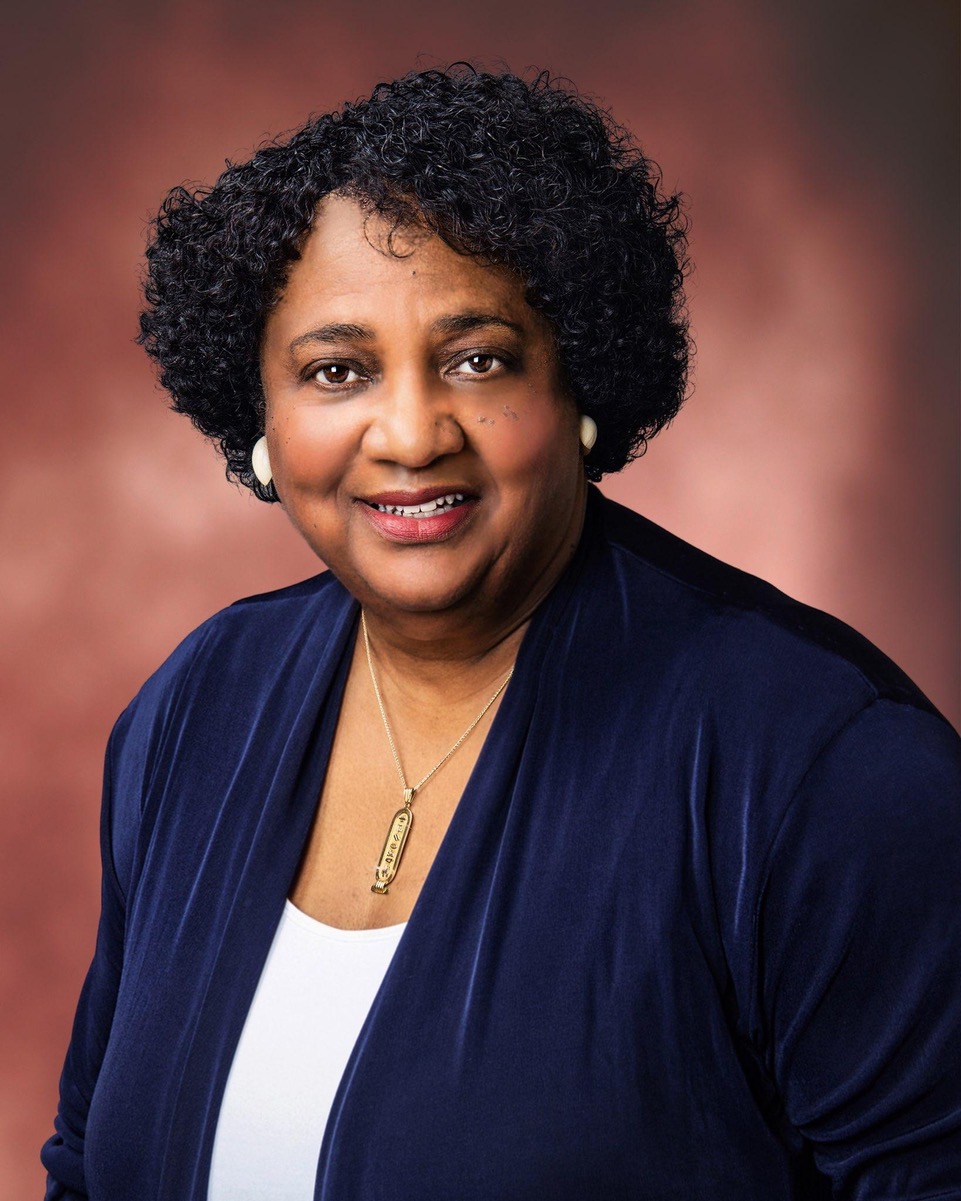
Secretary of State Shirley Weber answers immigrant citizens’ questions about registration, language assistance, voter intimidation, and making their ballots count.
Magazine, The Immigrant Experience
For many immigrants, becoming an American citizen is a moment the whole family remembers. There is the oath, the photograph, and perhaps a phone call to someone far away who understands what it took to get here. Then comes another moment, quieter but deeply meaningful: opening a ballot and realizing that the decisions before you are yours to help make.
Yet a right that took years to reach can still feel difficult to exercise. A rumor about immigration officers at a polling place. An unfamiliar registration deadline. A ballot filled with language that is hard to understand. For someone voting for the first time, each can become a reason to hesitate.
As California prepares for its November 3, 2026, general election, Secretary of State Shirley N. Weber, Ph.D., wants eligible voters to move past that uncertainty with information and a plan. Vote early, she urged. Ask questions. Choose the method that works for you. Do not wait until the last minute to discover that you need help.
In a statewide briefing presented by American Community Media (ACOM) in partnership with the Secretary of State’s office, moderator Pilar Marrero guided a conversation that moved between the mechanics of voting and the emotions surrounding it. Community reporters brought questions from the people they serve. Interpretation in Chinese, Korean, and Spanish helped the discussion reach across languages.
Weber welcomed those journalists as trusted messengers. California’s newest voters include young adults and newly naturalized citizens, she noted. Both deserve to know what to expect before they cast a ballot.
But when the conversation turned to participation in Black communities, Weber reached beyond election procedures. She spoke about her grandparents, who died before the Voting Rights Act of 1965 and never had the chance to vote.
For her, the ballot carries a family history of exclusion. It also carries an obligation to the children and families whose lives are shaped by those elected to office. Her frustration with disengagement came from that history: people had fought for a right they would never live to exercise.
“Your vote is as powerful as mine if you use it,” she said.
That message has particular meaning for immigrant citizens. The road to citizenship and the struggle against racial disenfranchisement are different histories, but both remind us that access to the ballot cannot be taken for granted. Once eligible, a person can help decide who represents their community and how its concerns are heard.
Reporter Araceli Martinez brought the conversation to a fear that can follow a naturalized citizen even after the oath: rumors about an Immigration and Customs Enforcement presence at polling stations.
What advice, she asked, would Weber give citizens who were afraid?
Weber acknowledged that people sometimes experience things that should not happen to them. She encouraged voters concerned about entering a polling place to use an official ballot drop box to return their completed ballot.
The answer mattered because fear does not always disappear when a person’s legal status changes. A citizen may still worry about relatives who are not citizens. A family may have experienced encounters that make any official setting feel uncertain. Telling someone they have nothing to fear does little unless they also understand their choices.
Weber’s recommendation offered one of those choices. It was not a guarantee about where immigration officers might appear. Official drop boxes are an available way to return a ballot, and voters can find locations through California’s early voting directory. Checking access and hours ahead of time can make the trip easier.
For this statewide election, eligible naturalized citizens have the same voting rights as other U.S. citizens. A green card or another immigration status without citizenship does not establish eligibility. Voters must also meet California’s requirements for residency, age, and the rules concerning felony imprisonment and a court’s determination of competence to vote.
Weber emphasized that a past felony conviction does not permanently take away the right to vote in California. People who are no longer serving a state or federal prison term for a felony conviction may register if they meet the other requirements. Anyone unsure about their circumstances can consult the state’s registration guidance or contact their county elections office. www.sos.ca.gov
The conversation then moved to a deadline that can easily be misunderstood.
October 19 is the regular registration deadline for the November election. Eligible Californians can register at RegisterToVote.ca.gov, while those already registered can check their information through My Voter Status. A move, a name change, or uncertainty about the address on file is reason to check now.
But missing October 19 does not necessarily mean missing the election.
California allows Same Day Voter Registration, also called conditional registration, after the regular deadline and through Election Day. Eligible voters can register and cast a provisional ballot at their county elections office or an available designated voting location. Officials count that ballot after verifying eligibility and completing the required checks. www.sos.ca.gov
Weber asked journalists to make that distinction clear to their audiences. Someone who says, “I missed the deadline,” may still have a path to participate. A provisional ballot is part of a verification process, not an automatic rejection.
People becoming citizens shortly before the election should also contact their county elections office. California has provisions allowing newly naturalized citizens to register and vote close to Election Day, with specific documentation requirements. www.sos.ca.gov
For a family celebrating a citizenship ceremony, that call could turn a milestone into a first vote.
Throughout the discussion, Weber returned to the value of acting early. Every active registered California voter is mailed a ballot, and receiving it does not limit the voter to returning it through the postal service. Voters can use an official drop box, return a ballot at an authorized voting location, or vote in person. www.sos.ca.gov
Those options matter in everyday life. A work shift changes. A child becomes sick. A ride falls through. Voting early gives a person time to adjust rather than trying to solve everything on Election Day.
Weber referred repeatedly to an 11-day voting period during the briefing. For readers making plans, the county’s actual schedule is the guide: not every site opens on the same day. The first vote centers in Voter’s Choice Act counties open October 24, and county elections offices offer early voting opportunities. Use the state directory or call the county to find the location and hours that fit your plans. www.sos.ca.gov
California’s ballot-return period runs from October 5 through November 3. Ballots delivered to an official drop box or voting location must arrive by 8 p.m. on Election Day. Ballots returned by mail must be postmarked by November 3 and received by November 10.
The state’s election-specific guidance recommends mailing at least seven days before Election Day. If returning a ballot by mail close to the deadline, take it inside a U.S. Post Office and ask a postal employee for a manual postmark. Leaving it in a mailbox late on Election Day does not ensure that day’s postmark. www.sos.ca.gov
Before returning the ballot, complete the required envelope information and sign it. Officials compare the envelope signature with the voter’s registration record, then separate the ballot from the envelope to protect secrecy.
Marrero also highlighted Where’s My Ballot?, which allows voters to receive updates about their mail ballot’s status. It gives people a way to follow what happens after the envelope leaves their hands. www.sos.ca.gov
A missing or damaged ballot is a reason to contact the county elections office about a replacement. A notice about a signature problem needs a prompt response. These are practical reasons to return a ballot early: time can help resolve a problem before it costs someone their vote.
For voters who wonder whether a mail ballot matters after a winner is projected, the Secretary of State’s guidance is clear: all valid mail ballots are counted, whether or not a race is close. www.sos.ca.gov
Language was another concern Marrero brought directly into the conversation. California has millions of voters whose first language is not English. What help is available, she asked, and what should someone do if they cannot get the assistance they need?
Weber invited elections staff member Jana Lean to explain. Statewide voter information is available in English and nine additional languages, Lean said, with counties providing further translations where required.
Those statewide languages are Spanish, Chinese, Hindi, Japanese, Khmer, Korean, Tagalog, Thai, and Vietnamese. Voters can ask their county elections office about local materials and assistance before heading out to vote.
California’s Voter Bill of Rights also allows voters to get help casting a ballot from a person of their choice, except their employer or union representative. Access to translated election materials depends on applicable local requirements. www.sos.ca.gov
There is dignity in being able to understand a decision before making it. An accent, or the need for an explanation in another language, does not diminish an eligible citizen’s right to participate.
Marrero also asked about intimidation, harassment, and interference. Weber urged voters to tell polling staff about problems or call the state’s confidential voter hotline, 800-345-VOTE (8683).
“Don’t feel that you have to tolerate the intimidation,” she said.
California protects the right to cast a secret ballot and to vote if you are still in line when polls close. Knowing those rights can help a first-time voter recognize when something is wrong and ask for assistance. www.sos.ca.gov
Questions from other journalists showed how political conflict has unsettled public trust. Brian Townsend of the Precinct Reporter asked about safeguards against sheriffs taking possession of ballots. Henrietta Burrough asked about federal requests for California’s voter rolls. Weber described legal efforts her office had supported to defend election administration and voter information.
Responding to questions from Hispanic LA and Elena Kousnet Sova, she rejected allegations of widespread election fraud and urged journalists not to give unsupported claims new life through repetition.
For readers, the practical lesson is to check a claim before forwarding it. A message in a family chat may feel trustworthy because it comes from someone we love. Election deadlines and instructions should still be checked against official state or county information.
Finally, Nestor Fantini asked about young people who feel frustrated and disconnected from political institutions. Weber brought the answer back to issues students know: tuition, fees, and educational opportunity. She recalled working with young people on legislation and helping them see that they could influence decisions affecting their lives.
A young voter has one vote, she reminded the audience, just as a parent does.
The briefing ended with a call to make a plan and seek help rather than face uncertainty alone. Weber even suggested going with a friend if that would make voting feel more comfortable.
For eligible immigrant citizens, participation begins with a few manageable steps: check your registration, read your ballot, choose how to return it, and ask questions early.
The life you have built here matters. So does your say in what comes next.
#CaliforniaVotes #Election2026 #VoteEarly #ImmigrantVoters #KnowYourRights #ShirleyWeber #CivicEngagement #TheImmigrantMagazine