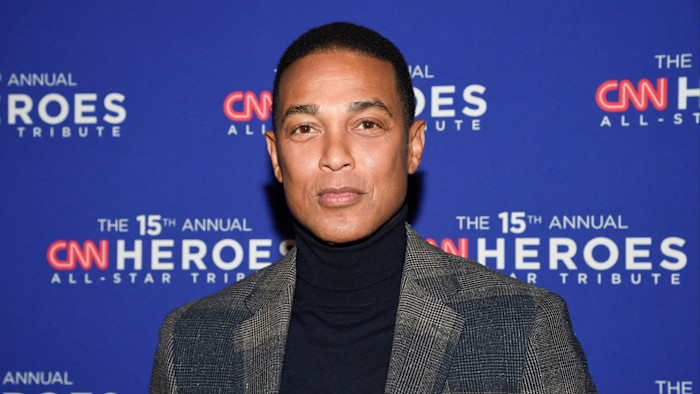
Renée Good, Alex Pretti, Don Lemon, Wael Tarabishi, and Rep. Ilhan Omar each paid a price—for speaking out, standing close, or simply surviving. What does freedom mean at 250 years, and who is it truly for?
Magazine, The Immigrant Experience
The Rising Cost of Standing With Immigrants in America
As Don Lemon is arrested, Wael Tarabishi dies without his father, Alex Pretti is shot while trying to protect protesters, and voices like Renée Good and Rep. Ilhan Omar are silenced—America must ask: what does freedom mean at 250 years, and who is it truly for?
Across the U.S., protests are swelling in response to a sweeping immigration crackdown by the Trump administration. From sanctuary churches to congressional town halls, communities are mobilizing in defense of immigrant families facing separation, detention, and silence. This is not just backlash—it’s a national awakening.
Among the dead: Renée Nicole Good, a white activist fatally shot by federal agents while protesting ICE. Alex Pretti, a 37-year-old ICU nurse, also a U.S. citizen, gunned down while reportedly trying to protect others during an immigration raid in Minneapolis. Their names now join a growing list of people—immigrant and ally alike—who have paid the ultimate price for standing near the fire.
Don Lemon showed up to witness. He left in handcuffs.
The former CNN anchor wasn’t there to stir protest or stoke chaos. He was livestreaming from the pews of Cities Church in Saint Paul, Minnesota, as demonstrators rose during a quiet Sunday service, calling for accountability in the death of Renée Nicole Good. They chanted for Maher Tarabishi, detained by ICE as his disabled son lay dying without him. For Wael, for Renée, for the immigrant families crushed under the weight of a system designed to disappear them. Lemon didn’t yell. He filmed. And for that, federal agents showed up weeks later in Beverly Hills and arrested him.
It’s a moment that invites more than outrage—it demands reflection.
Because this year, as America prepares to mark 250 years of its founding principles—freedom, liberty, and justice—what exactly are we celebrating?
Are we the nation that once welcomed the tired, poor, huddled masses—or the one that now jails a father until his dying son takes his last breath alone? Are we a beacon of free speech—or a place where documenting a protest can land a journalist in jail?
And maybe most urgently: When did standing with immigrants become nearly as dangerous as being one?
The Thread That Connects Us
There’s a pattern we don’t always see. Not at first.
A father detained. A son dies alone. An ICU nurse gunned down while trying to protect protesters. A journalist arrested for filming a protest. A congresswoman assaulted for standing with her immigrant community. A white ally shot and killed by federal officers while defending a family not her own.
Different cities. Different professions. Different walks of life. But the same thread.
In early January, Don Lemon—Black, gay, and nationally known—was charged under civil rights statutes for documenting a protest. Renée Nicole Good—a white U.S. citizen—was killed by federal officers while standing in solidarity. Maher Tarabishi—a Jordanian immigrant—was detained as his son Wael, an American, died without him. Rep. Ilhan Omar—a Somali-born Muslim woman in Congress—was doused with vinegar at a town hall for demanding justice.
These aren’t isolated cases. They’re stitched together by the cost of proximity to immigrant pain. Some suffer it directly. Others suffer it for daring to stand close. But the message is the same: stay silent, or pay the price.
Yet something else is emerging too: a deeper kinship. Immigrants are not alone in their grief. Their stories are showing up in churches, pressrooms, court dockets, and congressional halls. The pain has become, for better or worse, collective.
And maybe that’s the hidden power here. Renee didn’t have to protest. Don didn’t have to livestream. Ilhan didn’t have to speak. Maher could have disappeared quietly. But none of them did. They stood with immigrant truth, and in doing so, they made it impossible to ignore.
When Citizenship Isn’t a Shield
In America, the immigration system no longer distinguishes. Not between citizen and noncitizen. Not between protestor and journalist. Not between a congresswoman and a grieving parent.
That’s the story behind these stories.
And if we widen our lens, it becomes clear: this is no longer just an immigration issue. It’s about power, proximity, and the consequences of witnessing.
250 Years of Freedom: For Whom?
It’s impossible to ignore the weight of this moment. In 2026, the United States will mark 250 years since the Declaration of Independence—a milestone meant to honor the values that founded this country. But how do those values measure up against what we’re seeing today?
Are freedom and justice still the cornerstones of our civic life, or ceremonial phrases we dust off for anniversaries?
And what does it mean when the very people who personify American pluralism—immigrants, journalists, allies, elected leaders—are the ones targeted most by the state?
To ponder America at 250 is to ask hard questions, not just about where we came from, but about where we are and where we dare to go. This is not a celebration for celebration’s sake. It’s a moment of reckoning.
What Happens Next
Some may call this a crisis. But perhaps it’s more accurately described as a moment where state enforcement, federal discretion, and grassroots resistance are colliding in real time—raising unsettling questions about power, justice, and the cost of civic dissent.
The immigrant community—Black, brown, Arab, Asian, undocumented, documented, and citizen—has always known this fear. But now, their allies are being dragged into the fire, too. And the fire doesn’t care about credentials.
What we may be witnessing is a reshaping of American identity through the lens of immigration enforcement—where documenting, caregiving, and dissent are increasingly seen as acts of defiance.
And through it all, immigrant families keep showing up—in courtrooms, at vigils, across newsfeeds—asking the only question that matters: Do our lives matter here?
If this is the nation at 250, then the question isn’t whether we’ve strayed from our ideals. The question is whether we’re still willing to fight for them.
Stay proud. Stay grounded. Stay true.
Because in today’s America, to witness immigrant truth—and to share it—is to risk everything. And in that risk lies a question the nation can no longer avoid: what becomes of the First Amendment when the act of observing injustice becomes grounds for prosecution? Don Lemon’s arrest reminds us: in a nation built on speech, some truths are still treated as threats.
The thread runs through us all.
ImmigrantJustice #Freedom250 #DonLemon #IlhanOmar #AlexPretti #WaelTarabishi #TruthTelling #WitnessMatters #StandTogether