When coverage becomes unaffordable and hospitals cut services, the consequences reach everyone—whether they have insurance or not.
She spent her working days caring for other people. When she needed care herself, she could no longer afford it.
During a national media briefing, Tennessee primary care physician Dr. Amy Gordon Bono described a caregiver in her early 60s who lost her Affordable Care Act health insurance because she could not keep up with the payments. Too young for Medicare and without employer-sponsored coverage, she went without medical care and medication.
Then she suffered a stroke that Bono described as preventable.
The woman arrived uninsured at a rural hospital in Middle Tennessee. Her life had changed, and the hospital faced the cost of care without reimbursement, Bono told reporters.
“Her story shows how the health care system failing some of us can lead to harm to all of us,” she said.
For a family building a life in a new country, knowing where to turn when a child gets sick or a parent needs treatment is part of feeling settled. A nearby doctor and a hospital within reach can make a community feel like home.
When those services disappear, families can lose more than access to an appointment. They can lose the reassurance that help will be there when they need it.
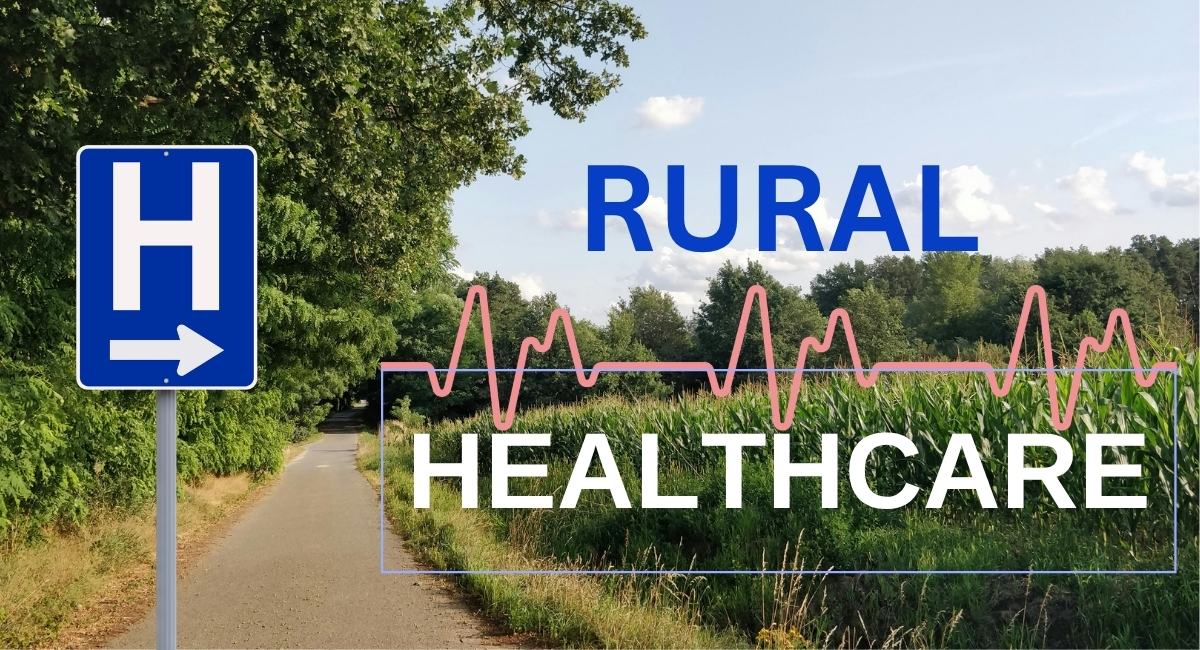
American Community Media (ACOM) hosted the national briefing, “Rural Health Care at a Breaking Point: Who Can Afford to Stay Healthy?”, in partnership with the Robert Wood Johnson Foundation. The discussion brought together journalists from ethnic and community media with Bono, foundation senior policy adviser Dr. Katherine Hempstead, and Stanford economist Neal Mahoney to examine rising costs, coverage losses and threats to rural hospitals.
ACOM framed the discussion around the more than 66 million people who live in rural America—roughly one in five Americans—and the growing difficulty of finding healthcare they can afford and reach.
A hospital can disappear before its doors close
Rural communities face health challenges that existed long before the latest federal policy changes, Hempstead explained. Higher poverty, aging populations, chronic illness, and fewer healthcare providers leave many communities with little room to survive another financial setback.
Small hospitals must maintain staff, equipment, and emergency services despite serving relatively few people. Many already operate with very thin margins or losses.
Background materials provided by ACOM cited May 2026 data from the Center for Healthcare Quality and Payment Reform identifying 720 rural hospitals at risk of closure, including 294 at immediate risk within two to three years. Being at risk does not mean closure is certain. It does mean communities have reason to pay attention before services disappear.
A hospital can also remain open while eliminating essential services. Hempstead pointed to maternity care and chemotherapy as examples of services communities can lose through partial closures.
For a mother preparing to give birth, a longer journey can mean more uncertainty about reaching the hospital in time. For someone undergoing cancer treatment, it can mean repeatedly finding a ride and asking a relative to take another day away from work.
These are the everyday burdens behind a service cut: missed wages, childcare arrangements, and the worry of being far from help.
And the consequences extend to people who retain their insurance.
“If a hospital closes or reduces services, that’s extremely consequential for everyone,” Hempstead said.
Losing coverage can weaken an entire community
Rural residents are particularly exposed to changes in public insurance programs, Hempstead said, because fewer have employer-sponsored coverage and more rely on Medicaid or the ACA marketplace.
She highlighted family farmers and other self-employed workers who have depended on marketplace plans. When coverage becomes more expensive, households must decide whether they can keep paying for it.
For immigrant entrepreneurs and workers without employer benefits, working hard and staying insured may require two separate struggles. A business can be operating, a household can be earning income, and the monthly cost of coverage can still feel out of reach.
Bono’s caregiver example illustrates the danger. Forgoing appointments and medication can allow a manageable condition to become a medical emergency. The patient suffers, and the hospital must treat someone who cannot pay.
Hempstead warned that federal Medicaid reductions and changes affecting marketplace coverage could increase that pressure on already fragile hospitals. Her larger concern was whether communities could remain viable when essential care becomes too distant.
For immigrants, fear creates another barrier
Reporters specifically asked Hempstead about immigrants working in agricultural communities, including undocumented farmworkers in California.
Her response emphasized that coverage options vary by state and immigration status. She also described a chilling effect: people becoming reluctant to use health programs because they fear that doing so could expose themselves or relatives to immigration consequences.
A family may be asking more than whether it can afford an appointment. It may also be wondering what information it will have to provide and whom it can trust for an answer.
Fear alone does not determine eligibility. Families need advice that reflects their circumstances, rather than assuming that another person’s situation applies to them.
A clinic can be within driving distance and still feel beyond reach if a family is afraid to walk through its doors.
Hempstead identified federally qualified health centers and free clinics as potential sources of care for people without insurance. Their availability and services must be checked locally.
That is where trusted community organizations can help families find reliable guidance. People deserve clear answers about their options before fear becomes another reason to go without care.
When care is too far away, families pay the price
Bono’s account of Tennessee showed how these pressures reach people at some of the most vulnerable moments of their lives.
Citing a report from the Center for Healthcare Quality and Payment Reform, she said 36% of the state’s rural hospitals were in serious financial trouble, with at least 12 at immediate risk of closure in the coming years.
She also challenged the assumption that uninsured patients and Medicaid payments explain every hospital’s financial problems. According to the report she discussed, payments from private insurers that fail to cover the cost of services are another major pressure.
Bono connected inadequate access to maternal health risks as well. Patients may enter pregnancy with poorly controlled hypertension or diabetes because they have lacked consistent care. Getting coverage after becoming pregnant does not undo the months or years without treatment that came before.
For a family welcoming a baby, care before and early in pregnancy can matter as much as having a hospital available on delivery day.
She also described the consequences of consolidating specialized services in East Tennessee: greater travel distances for patients needing critical care.
“Distance from specialized health care means death,” she said.
More funding—and questions about lasting support
The federal Rural Health Transformation Program provides $50 billion over five years, with $10 billion available annually from fiscal years 2026 through 2030. CMS says its goals include improving access, recruiting and retaining healthcare workers, supporting new care models and expanding technology use.
Hempstead questioned whether the program could meet hospitals’ immediate needs. In her assessment, its funding was too limited, too focused on future changes in care delivery and too temporary to resolve the financial pressures she described.
Technology and new delivery models may improve care. But her argument was that hospitals with urgent cash-flow problems also need support that reaches them in time to preserve services.
An insurance card is only part of the answer
Reporting by Jahel Atencio in La Voz Bilingual Magazine described Bono’s concern about replacing rural physicians. Her family now travels roughly 30 miles for care in a community that once had local doctors.
The same report summarized Mahoney’s proposals: reconsider funding cuts and administrative changes, improve insurance affordability and quality, and explore coverage that does not depend on employment. He also discussed how limited insurer competition can disadvantage rural residents and small employers.
For families, the connection is straightforward: an insurance card offers limited reassurance if the nearest doctor has left or the hospital no longer provides the treatment they need. Affordable coverage and available care must move together.
Where families can start
Readers looking for a nearby health center can use the federal Health Resources and Services Administration’s Find a Health Center tool.
Before scheduling, ask the clinic about appointment availability, costs, language assistance, required documents, and the services it provides. Families with coverage questions can also seek individualized help from a local enrollment adviser or trusted community organization.
For community leaders, churches, and immigrant associations, sharing verified local resources is one practical way to help. So is asking public officials which services are at risk and how residents will receive care if those services are reduced.
Bono’s caregiver had spent years helping others. Her experience leaves a question that reaches far beyond Tennessee: can the people who sustain our communities obtain care when they need it?
Immigrant families deserve clear answers, affordable care, and somewhere to turn when someone they love is hurting. The workers, caregivers, and small-business owners who help sustain rural communities deserve a healthcare system that sustains them, too.
Your family’s health matters. Your questions deserve answers. And your voice belongs in the decisions that shape the care available in the place you call home.
#RuralHealthcare #RuralHospitalClosures #ImmigrantHealth #HealthcareAccess #HealthEquity #CommunityHealth #TheImmigrantMagazine