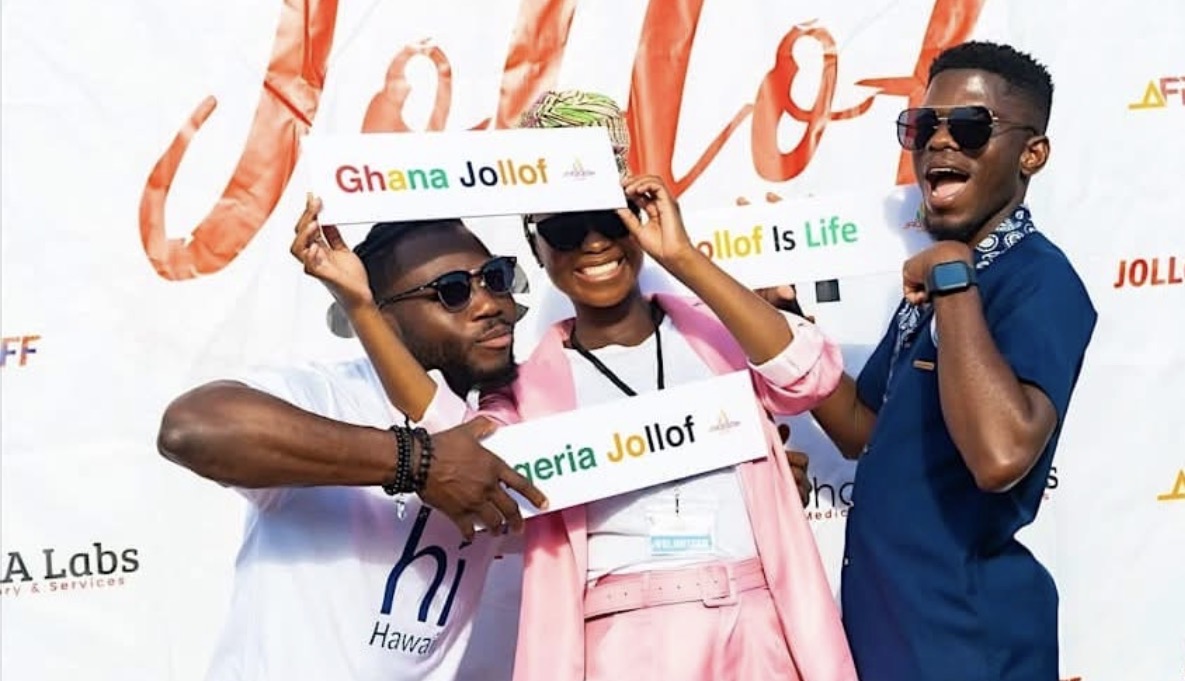
Five editions in, Afropolitan Cities brings Africa and its diaspora together in Los Angeles through Jollof, Afrobeats, entrepreneurship, dance and cultural pride.
There are few things that summon home as quickly as music and food.
A familiar rhythm can transport someone across an ocean. The aroma of tomatoes, spices, and rice can recall a family kitchen, a wedding feast, or a Sunday gathering thousands of miles away. For immigrants and members of the diaspora, these moments can become small acts of return—reminders that home is not always a place one has to physically inhabit to feel.
That spirit filled The Beehive in Los Angeles in the summer of 2026, when Afropolitan Cities celebrated the 5-Year Edition of the LA Afrobeats Block Party & Jollof Cook-Off.
Afrobeats moved through the venue as DJs turned the gathering into a day party. Live music and dance performances added to the energy. Entrepreneurs welcomed visitors to a cultural pop-up market, while African and Caribbean aromas drifted from food vendors across the grounds.
And somewhere amid it all sat the centerpiece of one of West Africa’s most delicious debates: Jollof rice.
Ghana had something to prove. So did Nigeria. Senegal, Liberia, Sierra Leone, and The Gambia brought culinary traditions and national pride of their own.
But beneath the friendly rivalry was something much bigger than rice.
Five editions in, the LA Afrobeats Block Party & Jollof Cook-Off has grown into a space where Africa and its diaspora can gather, celebrate their differences, and recognize themselves in one another.
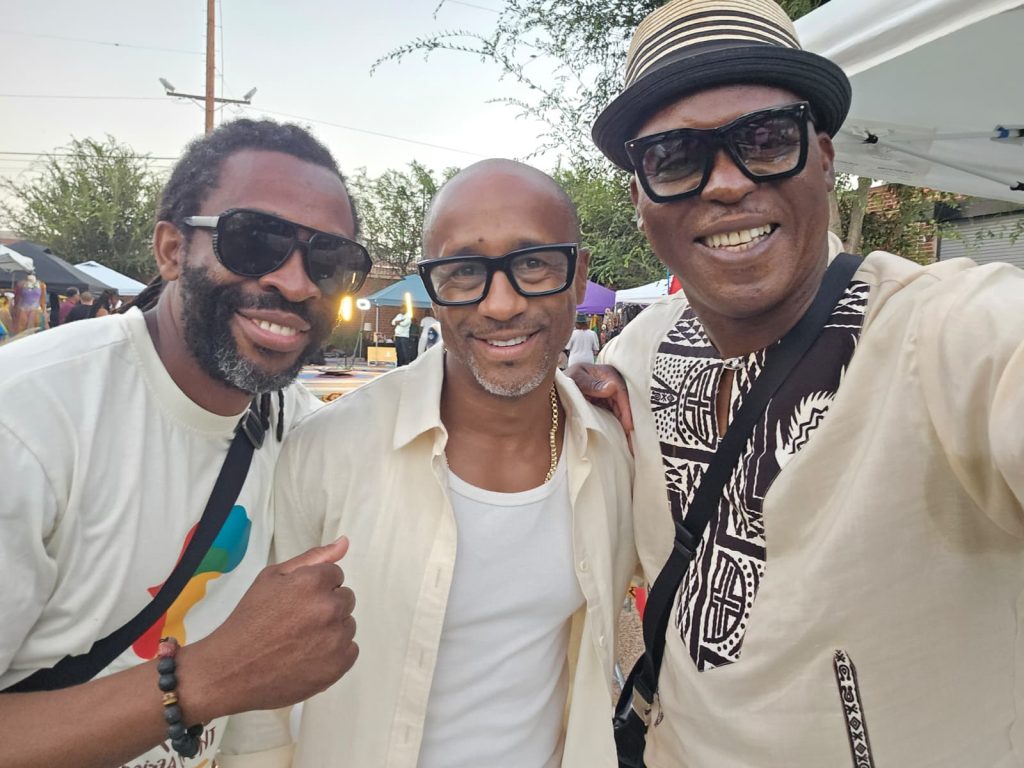
At the heart of the Los Angeles production is Selassie Ahorlu, City Partner & Event Producer, Los Angeles, whose work with Afropolitan Cities has helped shape the Block Party into a recurring cultural gathering for the African diaspora in Southern California.
The event reflects the larger mission of Afropolitan Cities: connecting Africa to the world by making the best of Africa and its diaspora more accessible to the global market through culture, travel, campaigns, partnerships, and an innovative marketplace platform. The organization describes its work as building bridges through authentic connections, curated experiences, and creative strategies that spotlight Africa’s richness and global potential.
At The Beehive, that mission could be heard, tasted, and seen.
Organizers billed the fifth-anniversary edition as their biggest celebration yet, featuring four Afrobeats DJs, live dance and music performances, entertaining MCs, art, red-carpet moments, a cultural pop-up market, and an Afro-Caribbean food court offering grilled meats, puff-puff, plantains, and more.
There was commerce alongside culture, giving African and diaspora entrepreneurs an opportunity to place their products before new audiences, while the music, food, and performances created another kind of marketplace—one built around cultural exchange.
Among the culinary offerings was Senegalese food prepared by Chef Sheriff of The Soul of Africa, another reminder of the extraordinary ways food carries culture across borders.
Recipes migrate with people.
Flavors survive journeys. Cooking techniques pass from parents to children. A familiar aroma in Los Angeles can suddenly shorten the distance to Dakar, Monrovia, Lagos, Accra, Freetown, or Banjul.
Food becomes memory served on a plate.
It also becomes cultural diplomacy. A person does not have to speak Wolof to appreciate Senegalese cooking. A Nigerian passport is not required to enjoy Nigerian cuisine. And one certainly does not have to come from West Africa to understand the pleasure of gathering around a plate of Jollof.
Put food on the table, and strangers have a reason to sit together.
The Great Jollof Debate
Of course, no Jollof Cook-Off would be complete without the question that has followed the dish across borders and generations:
Who makes it best?
The debate is part national pride, part family memory, and part good-natured sport.
Afropolitan Cities turns that rivalry into community through a simple idea: let people taste and decide for themselves.
The fifth-anniversary celebration was promoted as a seven-country blind-tasting battle. The post-event account identifies six countries in the final competition: Ghana, Senegal, Nigeria, The Gambia, Liberia, and Sierra Leone.
Take away the flags, and the rice has to speak for itself.
Festivalgoers tasted the entries without knowing which country each represented and voted for their favorite.
The 2026 crown went to Liberia.
Again.
According to event materials, Liberia also won the previous year’s competition, giving the country back-to-back bragging rights. Cameroon and Nigeria have taken the crown in previous editions, demonstrating that no nation permanently owns the title.
And perhaps that is exactly how the great Jollof debate should remain.
Because the chef still matters.
Rice, tomatoes, spices, heat, timing, and technique must ultimately come together in the hands of someone who understands them.
More importantly, Jollof is never simply rice.
For many Africans, it carries memories of childhood, weddings, holidays, family gatherings, and the kitchens of mothers, aunties, and grandmothers. In the diaspora, those memories can become even more meaningful. A familiar plate can be nourishment, nostalgia, and identity all at once.
Six Nations, One Table
Ghana. Senegal. Nigeria. The Gambia. Liberia. Sierra Leone.
Six nations came to the final competition with different flavors, traditions, and loyalties.
One table held them all.
There is something about that image that speaks directly to diaspora life.
Migration can expand identity without erasing what came before. A Nigerian does not stop being Nigerian because a Liberian becomes a neighbor. A Ghanaian does not surrender Ghanaian pride by dancing to music from another part of Africa. A Cameroonian can discover Senegalese food without diminishing the flavors of home.
Instead, another layer of belonging becomes possible.
Diaspora.
Children growing up in Los Angeles can encounter Africa not simply as a distant continent described by parents or grandparents, but as something they can hear, taste, dance to, wear, and celebrate.
That is why gatherings like the Afropolitan Block Party matter.
Community does not happen simply because people from the same continent live in the same city. It needs spaces where people actually encounter one another—where businesses meet customers, artists find audiences, families gather, and cultures are shared.
Ahorlu and the Afropolitan Cities team are helping create one of those spaces.
Here, Pan-Africanism is not an abstract idea.
It sounds like Afrobeats coming through speakers. It looks like African fashion moving through a Los Angeles crowd. It lives in entrepreneurs introducing their work to new customers. It dances. It cooks.
And sometimes, wonderfully, it argues about rice.
The event also pushes back against the tendency to speak about Africa as though it were one culture. The continent contains extraordinary differences in language, history, cuisine, and tradition, and those differences do not have to disappear for unity to exist.
Nobody asks Ghana to cook like Nigeria.
Nobody asks Liberia to taste like Senegal.
Nobody asks Sierra Leone to surrender its traditions for the sake of togetherness.
The differences are precisely what make the table interesting.
That may be the enduring message of the fifth LA Afrobeats Block Party & Jollof Cook-Off: unity does not require sameness.
Liberia left with the Jollof crown, but across The Beehive another kind of victory was taking shape—in businesses being discovered, cultures being exchanged, music being shared, and relationships being strengthened across national lines.
Five editions in, Selassie Ahorlu and the Afropolitan Cities team have helped create a Los Angeles gathering where African culture is not simply displayed but lived—through food, music, enterprise, and connection.
Many cultures. Many nations. One community.
Learn more about Afropolitan Cities, its mission, and initiatives: https://www.afropolitancities.com/
#LAAfrobeats #JollofCookOff #AfropolitanCities #Afrobeats #AfricanDiaspora #PanAfrican #AfricanCulture #ImmigrantVoices #LosAngeles #TheImmigrantMagazine