In the wake of a tragic killing and aggressive immigration raids, immigrant communities and allies across the U.S. are mounting coordinated, defiant resistance.
The morning after federal agents fired tear gas near a Minneapolis preschool, Amanda Otero watched the usual drop-off ritual morph into something surreal. Parents quickened their pace. Teachers looked on, tense. Hours later, Rene Nicole Goode—a U.S. citizen, mother, and protester—was dead.
“We are seeing catalyzing events every single day,” said Otero, a mother of two and co-director of TakeAction Minnesota. She spoke during an emergency ethnic media briefing hosted by American Community Media (ACOM), moderated by journalist Pilar Marrero. The moment was urgent, the tone unapologetically defiant.
Otero wasn’t alone. The panel included grassroots organizers Sari Lee of ONE Northside (Chicago) and Amanda Otero herself; legal expert Ann Garcia of the National Immigration Project; policy leader Vanessa Cárdenas of America’s Voice; and constitutional law scholar Professor Mark Tushnet of Harvard Law School. Journalists and media professionals across the country also joined the conversation—not just to report, but to listen, question, and document in real time what this movement means. The message: resistance is not isolated. It is coordinated. It is immigrant-led, unapologetic, and unstoppable.
As the panel unfolded, journalists raised questions rooted in real community concern: How widespread is the fear beyond undocumented residents? Are lawful immigrants equally afraid to leave their homes? What are the risks for neighbors who step in to help? What protections remain when ICE shows up at a school, a daycare, or a driveway? They wanted to understand not only the scope of ICE operations but also the human cost—and how local governments, courts, and communities are responding.
A Rising Movement Born of Crisis
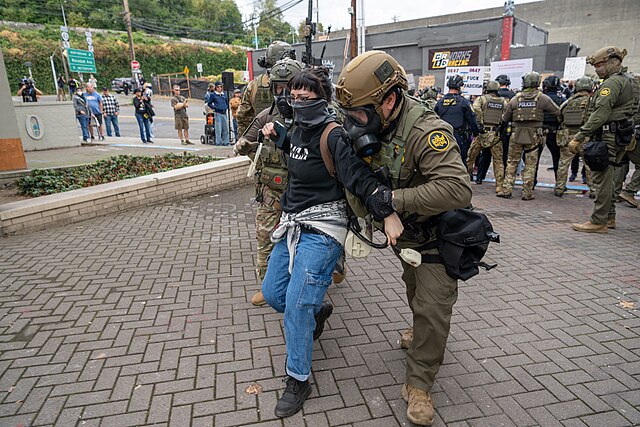
Minneapolis, still marked by the wounds of past state violence, is now a flashpoint once again. ICE raids, once a background threat, have become highly visible, militarized, and traumatic. With thousands of federal agents on the ground, the city is under siege. But this time, immigrant communities are not facing it alone.
Across Minnesota, over a thousand parents have formed sanctuary school teams. These aren’t symbolic gestures. They patrol drop-offs, organize ride shares, deliver groceries, and raise emergency funds for families too scared to leave their homes. Otero called it “neighborhood care and safety.” It’s survival work. It’s resistance.
Inspired by models from Chicago, these teams follow three pillars: protect schools, provide mutual aid, and organize against ICE’s presence. Their demand is clear: get ICE out of our schools and out of Minnesota.
In Chicago, that blueprint was written under pressure. Sari Lee, Deputy Organizing Director at ONE Northside, recounted Operation Midway Blitz—a months-long ICE offensive with nearly 200 agents deployed.
“We educated, we defended, we showed up,” Lee said. From rapid response networks to public town halls, their efforts trained thousands. They knew their rights. They resisted detentions. When a daycare worker was arrested, 500 people showed up that night. She was released.
But defense was only the start. The movement escalated. Community members organized mass actions against corporations with ICE contracts. At 22 AT&T stores across Illinois, protesters demanded divestment.
“Don’t renew your contract with complicity,” Lee said.
A Broader Reckoning
Vanessa Cárdenas, Executive Director of America’s Voice, pulled the lens back. “This is no longer about targeting undocumented immigrants. This is about terrorizing communities,” she said.
Goode’s death underscored the point. It shattered the illusion that U.S. citizens were immune from immigration violence. The administration may claim to target “criminals,” but the reality, Cárdenas warned, is indiscriminate harm.
Polling now shows a majority of Americans, including independents, believe ICE has gone too far. But trust in Republican-led “border security” remains high. The movement must hold that contradiction with clarity: call out the abuse, build broader alliances, and push for real reform.
“This is the largest ICE deployment in U.S. history,” Cárdenas noted. Nearly 3,000 federal agents are now stationed in Minneapolis alone. DHS, bolstered by unchecked funding, is not retreating.
The Legal Front Is Fractured
Ann Garcia, senior staff attorney at the National Immigration Project, called the federal tactics “authoritarian.” Her team is leading a class-action suit on behalf of Minnesotans arrested, assaulted, and surveilled for exercising their First Amendment rights.
Plaintiffs include legal observers, citizens, and peaceful protesters. One woman was tackled for asking if agents were with ICE. They cut off her wedding ring. They cut off her bra. The court granted an injunction. It was overturned in a one-line order days later.
“This is how repression operates,” Garcia said. “It tests the law, stretches the narrative, and counts on silence. We are not silent.”
A leaked ICE memo authorizing warrantless home entries has only escalated concern. Garcia was unequivocal: it is illegal. It defies decades of constitutional precedent. But ICE is pushing boundaries, betting on impunity.
History Is Speaking
Harvard Law Professor Mark Tushnet situated today’s resistance in deep American history. He drew a direct line from the Fugitive Slave Act of 1850 to present-day ICE tactics. Then, communities resisted federal enforcement with their bodies. Now, the same is happening.
“We went to bed indifferent and woke up abolitionists,” he quoted. “That’s what these moments do. They awaken.”
But he cautioned: courts alone won’t save us. They didn’t then. They won’t now. “Real change,” he said, “comes when people make the law mean something through collective action.”
Holding the Line, Expanding the Circle
Otero and Lee emphasized that this is not a moment of despair. It’s a moment of decision. They urged peaceful, organized resistance. They urged training. They urged care.
Neighbors supporting neighbors isn’t charity. It’s protection. It’s solidarity.
And even those hiding in fear, Otero said, find hope in seeing others step forward. “It’s what keeps them strong, even while they stay home.”
So the resistance continues. School by school. Block by block. In courtrooms. In the streets. In memory of Rene Nicole Goode. In defense of every child, every worker, every neighbor who calls this country home. Stay rooted, stay bold, stay visible.
#ICEOutOfSchools #ImmigrantResistance #SanctuarySchools #MutualAid #StopTheRaids #JusticeForReneGoode #NoMoreICE