
Rising tariffs, customs scrutiny, supply chain disruptions, and growing complexity are forcing importers to rethink how they move goods from Asia to the United States.
For decades, importing from China was relatively straightforward.
Find a supplier. Negotiate pricing. Book freight. Receive your goods.
Today, that playbook no longer exists.
As we move through 2026, many U.S. importers are discovering that the biggest threat to their profitability is not necessarily the cost of manufacturing overseas. It is the growing complexity of getting products from Asia to America efficiently, compliantly, and profitably.
From changing tariff policies and customs scrutiny to shifting sourcing patterns across Southeast Asia, importers are operating in a business environment that demands more expertise than ever before.
The companies that will thrive in this new era are not necessarily those with the lowest manufacturing costs. They are the ones with the strongest supply chain strategy.
And that strategy begins with understanding what has changed.
The End of “Business as Usual”
For many years, China was viewed primarily as the world’s factory.
Today, it remains a manufacturing powerhouse, but importing from China is no longer just a purchasing decision. It is a risk management decision.
Tariffs continue to influence sourcing decisions. Customs enforcement has become increasingly rigorous. Documentation requirements are more complex. Global geopolitical tensions continue to affect supply chains, shipping routes, and sourcing strategies.
For importers, this means every shipment carries more variables than it did just a few years ago.
The question is no longer:
“Can I buy this product from China?”
The real question is:
“Can I get it to my customer profitably and without disruption?”
The Hidden Costs Most Importers Never Calculate
One of the biggest mistakes importers make is focusing exclusively on product cost.
A supplier may offer an attractive unit price, but that price represents only a portion of the true landed cost.
Hidden expenses often include:
- Customs examinations
- Storage fees
- Demurrage charges
- Detention fees
- Warehouse handling costs
- Compliance issues
- Inventory shortages
- Delayed fulfillment
Many businesses discover these costs only after they have already impacted margins.
What appears to be a successful sourcing strategy on paper can quickly become an expensive lesson in execution.
The most successful importers understand that controlling logistics costs is just as important as negotiating manufacturing costs.
Why Visibility Has Become a Competitive Advantage
Consumers have become accustomed to speed.
Retailers expect reliability.
E-commerce platforms demand consistency.
As a result, visibility across the supply chain has become one of the most valuable assets an importer can have.
Businesses want to know:
- Where their inventory is
- When shipments will arrive
- What disruptions may occur
- How inventory levels affect fulfillment
Without that visibility, companies are forced to react instead of plan.
And in today’s environment, reactive supply chains often become expensive supply chains.
According to logistics professionals who work closely with importers, visibility, communication, and coordination across the supply chain have become just as important as transportation itself.
China Is Still Critical—But Southeast Asia Is Growing
Many importers are diversifying their sourcing strategies.
Countries such as Vietnam, Thailand, Malaysia, Indonesia, and Cambodia continue to attract manufacturers seeking alternatives or complements to China-based production.
However, diversification does not eliminate complexity.
In many cases, it increases it.
Managing multiple suppliers, countries of origin, transportation routes, and compliance requirements requires stronger coordination than ever before.
This is why logistics has evolved from a transportation function into a strategic business function.
The companies that understand this shift are positioning themselves for long-term resilience.
Customs Compliance Is No Longer Optional
Many importers still view customs as an administrative requirement.
That mindset can be costly.
Customs compliance affects:
- Clearance times
- Duty assessments
- Regulatory exposure
- Financial penalties
- Supply chain continuity
A single documentation error can result in delays, inspections, or unexpected costs.
As regulations evolve, importers need partners who understand not only transportation but also compliance, documentation, and regulatory requirements.
Avoiding problems has become just as important as moving freight.
The New Question Every Importer Should Ask
For years, importers focused on finding the cheapest freight rate.
In 2026, the smarter question is:
“Who can help me reduce risk?”
The difference is significant.
The cheapest logistics option can become the most expensive when delays, penalties, inventory shortages, or customer disruptions occur.
Today’s leading importers are looking for partners who can help them:
- Improve visibility
- Manage costs
- Navigate customs requirements
- Optimize warehousing
- Reduce supply chain disruptions
- Scale operations efficiently
They are seeking guidance, not simply transportation.
What We Are Hearing From Importers
Across trade shows, industry conferences, and conversations with business leaders, a common theme continues to emerge.
Importers are tired of surprises.
They want predictability.
They want transparency.
They want someone who understands the challenges they face before those challenges become problems.
Whether they are bringing in a few containers a year or managing large-scale supply chains, businesses are increasingly looking for logistics partners who can provide insight—not just freight quotes.
Why the Right Logistics Partner Matters
In today’s environment, importers need more than a freight forwarder.
They need a strategic logistics partner capable of coordinating every aspect of the supply chain—from supplier pickup in Asia to warehousing, fulfillment, customs compliance, inventory visibility, and final delivery in the United States.
Companies like XCT Logistics have built their business around helping importers navigate these increasingly complex challenges.
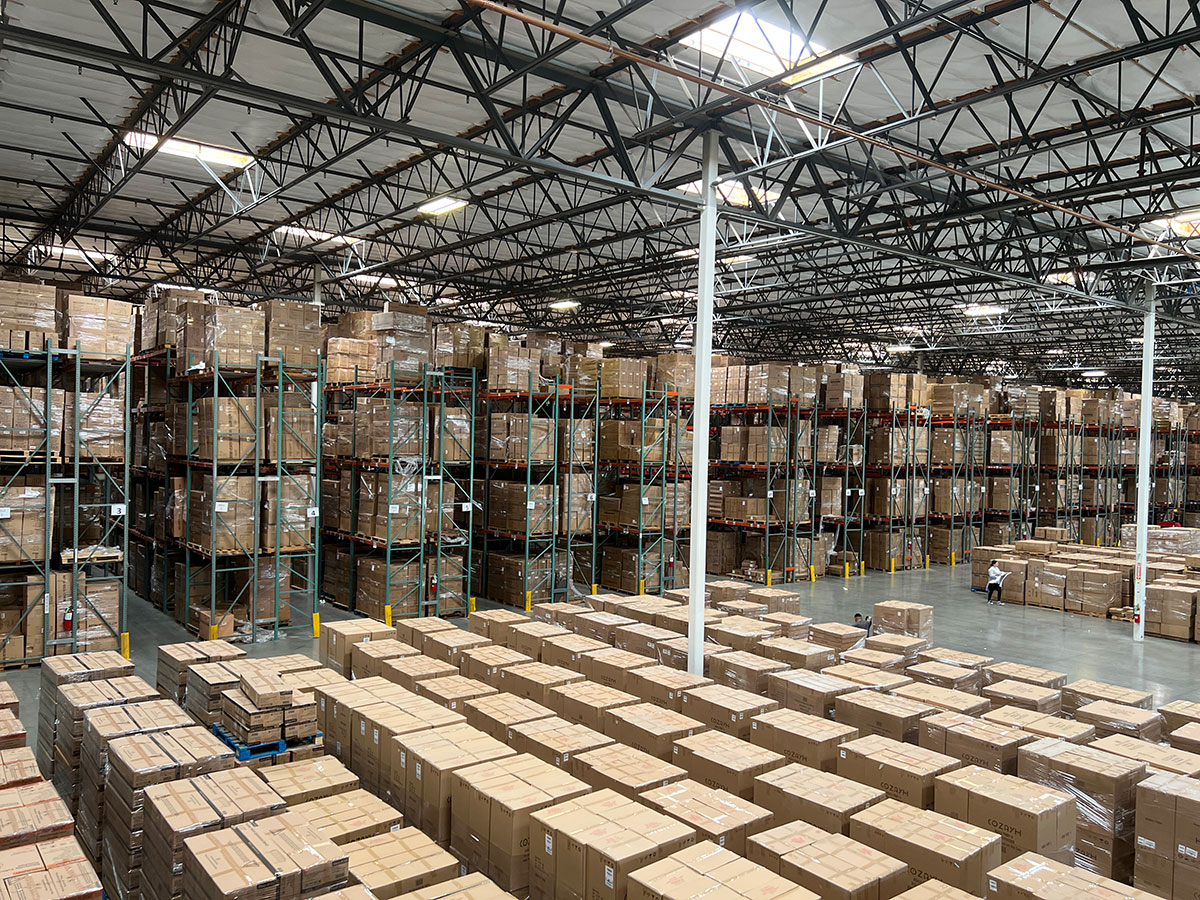
With teams across China and Southeast Asia, more than one million square feet of warehouse capacity in the United States, and experience supporting supply chains for some of America’s largest retailers and brands, XCT understands that successful importing is about much more than moving containers.
It is about helping businesses maintain control.
As supply chains become more complex, the companies that succeed will be those that have the right expertise guiding them through uncertainty.
Final Thoughts
Importing from China remains one of the greatest opportunities available to American businesses.
But success in 2026 requires more than sourcing products.
It requires a supply chain strategy built for uncertainty, visibility, compliance, and growth.
The importers who adapt to this new reality will be better positioned to protect margins, serve customers, and compete in an increasingly complex global marketplace.
The question is not whether your products can get here.
The question is whether your supply chain is prepared for what comes next.
Before Your Next Shipment Leaves Asia
If you’re importing products from China, Vietnam, Thailand, Malaysia, Indonesia, or elsewhere in Asia, now is the time to evaluate whether your current logistics strategy is helping—or hurting—your business.
Rising tariffs, changing regulations, customs scrutiny, port congestion, warehousing challenges, and inventory disruptions can quietly erode profits long before they appear on a financial statement.
A confidential review of your supply chain could uncover opportunities to reduce costs, improve visibility, strengthen compliance, and eliminate costly risks before they become expensive problems.
Visit https://www.xctintl.com or contact Anton Tombu, Business Development Lead, at (310) 938-6111 or anton.tombu@xctintl.com to schedule a confidential review.
Whether you’re importing a few containers a year or managing a complex global supply chain, the right strategy today can save significant time, money, and frustration tomorrow.
Because in 2026, successful importing is no longer just about moving products.
It’s about staying in control.
#ImportingFromChina #GlobalTrade #SupplyChainManagement #LogisticsStrategy #FreightForwarding #CustomsCompliance #InternationalBusiness #ChinaTrade #WarehouseSolutions #ImportExport