
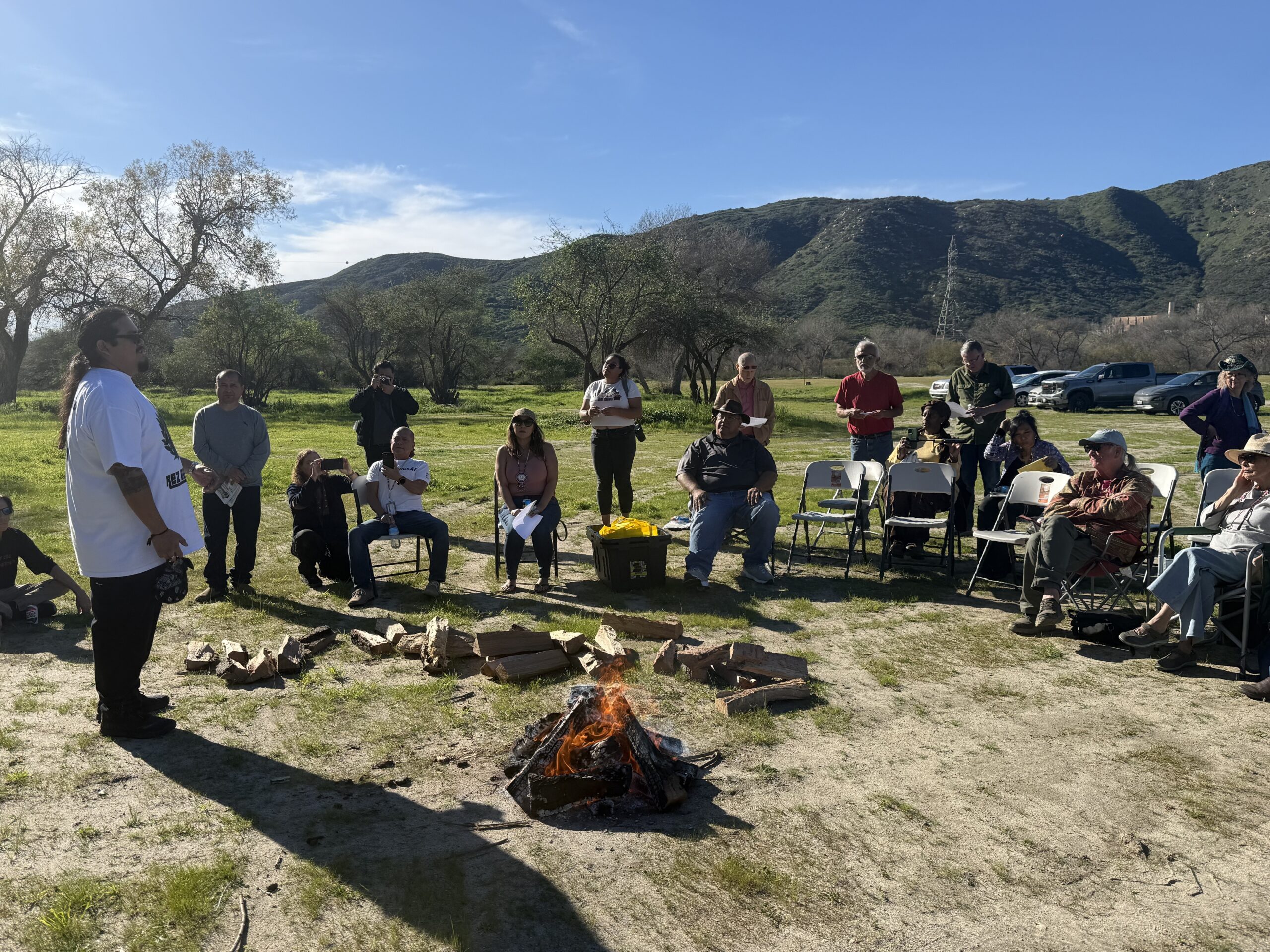
On tribal land at Pala Reservation, Indigenous and independent media makers gathered to resist erasure, share strategies, and build a united front for independent journalism rooted in community truth-telling.
Magazine, The Immigrant Experience
On January 27, 2026, journalists and media organizers from across Southern California gathered on the Pala Indian Reservation for a day of connection and coordination in a time of escalating pressure on immigrant and Indigenous communities.
The day opened at Rez Radio 91.3 FM, where Eric Ortega, host of Pala Life Past and Present, welcomed attendees with a clear intent: to create meaningful networks across underrepresented media. “We’re all small,” he said. “But what we cover matters—especially when larger media ignore it.”
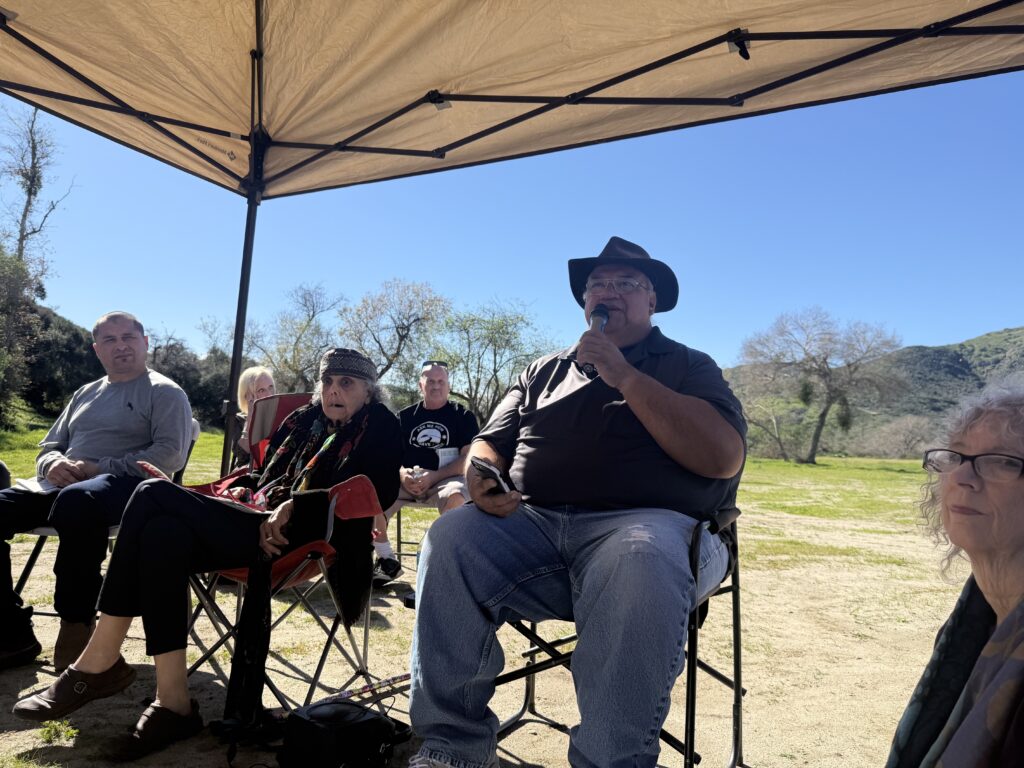
Ortega outlined the urgent need for tribal emergency communication systems, particularly in remote areas prone to being cut off during crises. He described a vision where translators across reservations could amplify radio signals, sharing news and alerts across tribal nations. “Right now, we’re too disconnected,” he said. “We need infrastructure that keeps our communities informed.”
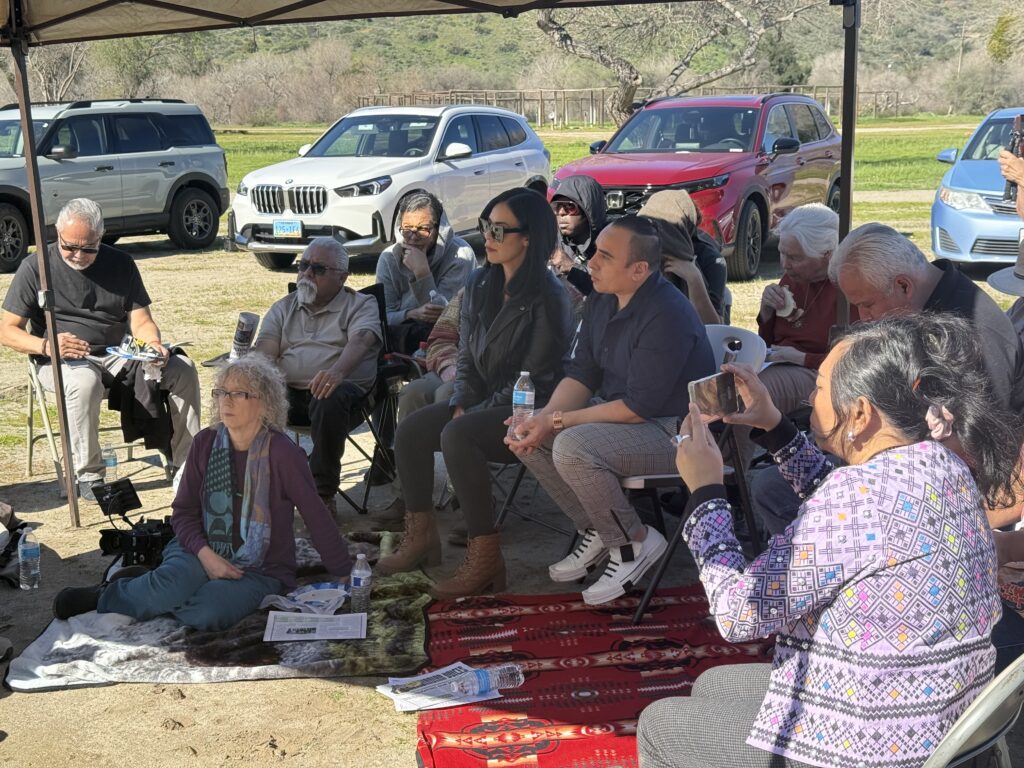
The gathering, co-hosted by Indian Voices and supported by ACoM, American Community Media, ensured independent outlets, including Filipino Press, FNX, El Informador, Nguoi Viet Daily, and Myanmar Gazette, were represented. The day quickly transitioned from networking to collective strategy as attendees moved from the station to a nearby camp area, where the discussion turned personal and political, often shaped by the tension surrounding ongoing immigration raids. Eric Ortega, host of Pala Life Past and Present
Gerardo Garcia Coda, a Kumeyaay tribal member, shared his traumatic encounter with ICE agents who detained him despite his legal residence on tribal land. He was hospitalized after being held in a van with the heat turned dangerously high. “They told me this wasn’t my land,” he said. “But my people have been here since before borders. We can’t let them divide us.”
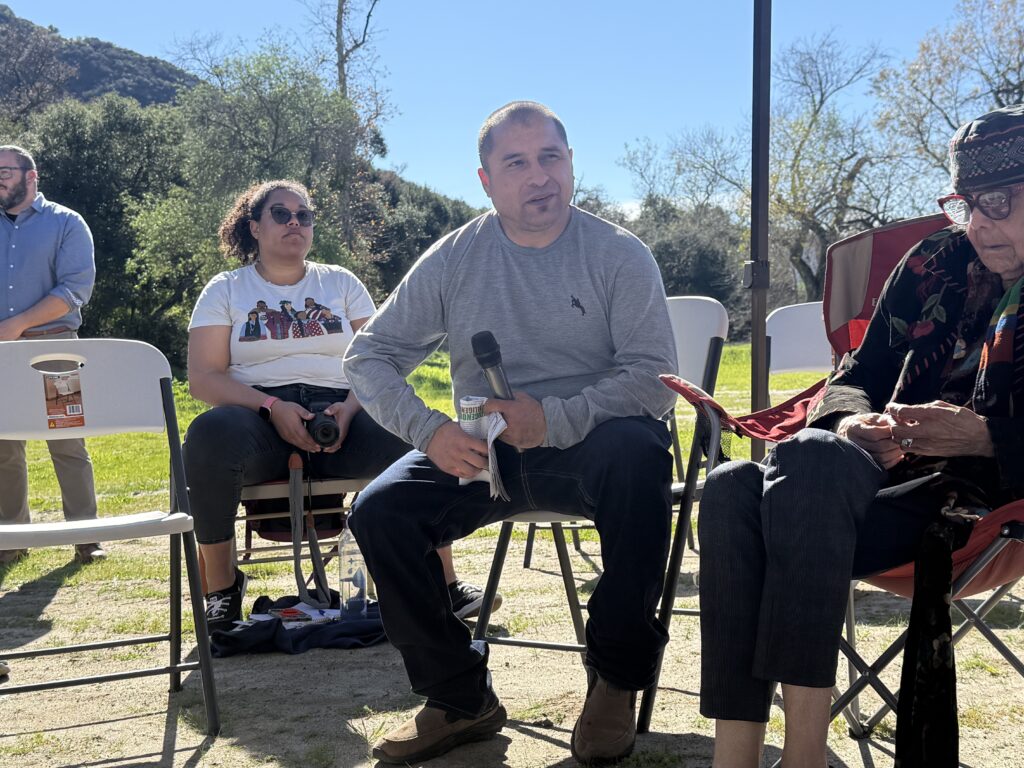
That trauma resonated throughout the circle. Many journalists admitted they, too, had faced intimidation—not for breaking laws, but for doing their jobs. “We carry press passes,” one reporter said, “but are still treated like threats.”
This fear is not abstract. Several participants cited the recent killings of two U.S. citizens, Alex Pretti and Renée Good, by federal immigration agents in Minneapolis. The incidents have become flashpoints, fueling protest and renewed debate about overreach by immigration enforcement.
Gerardo Garcia Coda, a Kumeyaay tribal member
“These killings prove what we already know,” said a Southeast Asian journalist. “Citizenship doesn’t protect you if you look like an outsider. That’s why we need to control our narratives.”
For Pamela Anchang, editor of The Immigrant Magazine, the gathering affirmed her mission: to humanize the immigrant experience. “Even those of us here legally walk in fear,” she said. “That should tell you everything. Journalism is not a crime. And no one is illegal.”
Anchang emphasized the need to integrate Indigenous voices into broader immigrant coverage, referencing past campaigns like Stop the Hate, where her team worked with Native communities in Los Angeles. “Our issues intersect,” she said. “We are all fighting dehumanization.”
Rose Davis, founder of Indian Voices, whose initiative brought the gathering to life, echoed the need for solidarity. She grounded the gathering in its deeper purpose. “We’re here not just to network, but to remember our power,” she said. “The media we create must push back against oligarchs trying to control the narrative. We planted seeds today. Let’s grow them.”
In addition to testimony, the gathering also tackled infrastructure. Julian Do, co-director of ACoM, laid out practical next steps:
- A consortium for Indigenous and ethnic media, starting with Indian Voices, FNX, and Veronica Online;
- A shared digital marketing platform, combining audiences across outlets for stronger bargaining power with advertisers;
- Advocacy for inclusion in the Civic Media Fund, a California budget initiative supporting ethnic media, and an expanded $60–70 million fund for public-interest broadcasting.
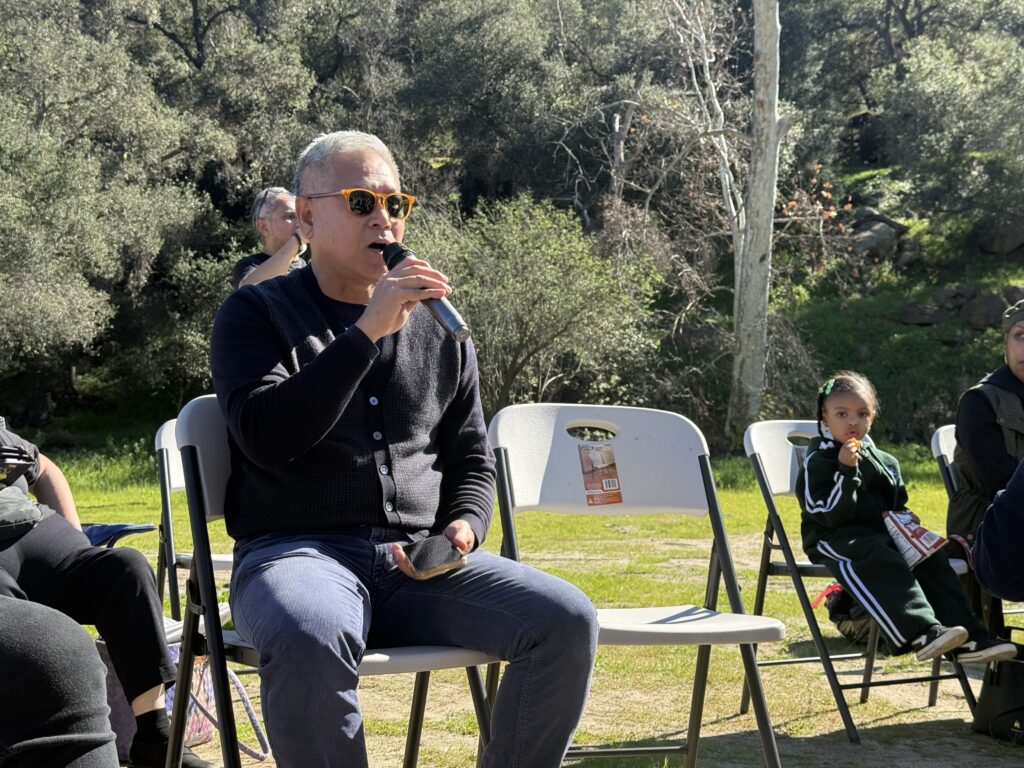
“We often think of resources as money,” Do said, “but our community access is worth more than cash. Combine our reach, and we’re not a niche—we’re the majority.”
Julian Do, co-director of ACoM
The forum closed with an Ancestral Talking Circle around a bonfire. Attendees were invited to speak not as reporters, but as members of a shared media ecosystem. A Native singer concluded the night with songs in an Indigenous language, paying tribute to the land and ancestors.
For many, it felt more like a retreat than a conference. And in the space between stories, a commitment was made: to protect independent media, not as branding, but as survival.
PalaMedia2026 #IndependentPress #ImmigrantVoices #IndigenousMedia #EthnicMediaPower #PressFreedomNow #ICEWatch #TruthTellers #CommunityMedia #JournalismMatters
There was no press release. No headlines. But in the warmth of the fire and the honesty of the voices, one thing was clear:
Independent media isn’t optional. It’s essential.