Giving teens someone to talk to, helping older adults get where they want to go, and giving family caregivers a few hours to themselves can make it easier to stay connected.
Dr. Donna Benton had hurt her leg and needed a walker. She was meeting friends and called ahead to ask whether there were stairs at the entrance. She also wanted to know if she could sit in a chair once she got inside. The person who answered had to go check.
Benton has spent decades working with older adults and family caregivers. This was the first time she had called ahead to ask those questions herself. She still wanted to see her friends. Now it took a phone call to find out whether she could.
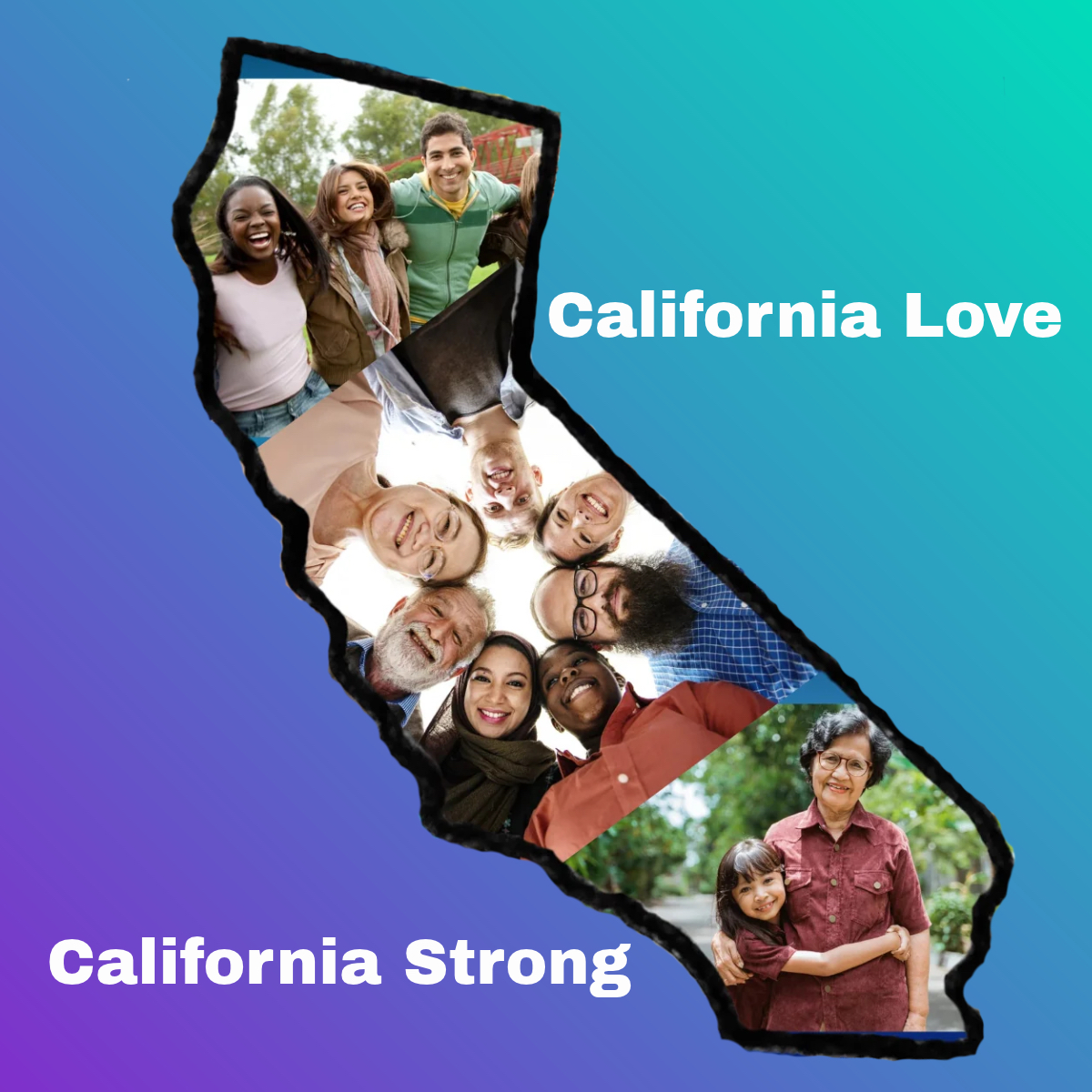
Benton told that story at a Nov. 10 statewide briefing hosted by American Community Media (ACoM) and moderated by journalist Pilar Marrero. The Office of First Partner Jennifer Siebel Newsom and GO-SERVE launched California Love, California Strong earlier in 2026 to counter loneliness and social isolation by helping people build lasting connections in their communities. Marrero invited reporters to bring questions from the people they cover. The conversation moved from what keeps people home to what California can do to help them stay connected over the long term. American Community Media briefing
What loneliness can look like in a child
Dr. Sohil Sud, a pediatrician who oversees behavioral health work at the California Department of Public Health and serves as an associate clinical professor of pediatrics at UC San Francisco, explained that social isolation means having little contact with other people or little support. Loneliness is the feeling that the connection you need is missing. A person can feel lonely in a house full of family. Bringing people together can ease isolation. Easing loneliness may also mean helping someone find relationships where they feel understood. CDC on loneliness and social isolation
Sud cited survey data from Social Connection in America showing that about one in eight Californians said they usually or always felt lonely. About one in three said they did not feel they belonged in their local community. Time and effort were the most frequently reported barriers to socializing, and more than a quarter cited access or distance. The CDC associates loneliness and social isolation with a higher risk of depression, heart disease, stroke, and dementia. Briefing data · CDC health effects
Marrero asked what a pediatrician might see when a child is struggling. Sud talked about children who come to the emergency room with stomach pain. Sometimes an exam and tests leave doctors without an explanation, and a longer conversation reveals bullying or trouble at home. Sud said he then asks what the child enjoys and looks for support the family can reach.
Jorge Luis Mas of Latino Sentinel asked whether California had enough professionals to meet the need, particularly in Latino communities. Sud said the state needed more people who could support young people and included teachers, coaches, and community workers in his answer. A coach may notice when a child stops coming to practice. A teacher may be the adult that child feels comfortable talking to first.
When a trip to the library feels risky
Mayra Alvarez, president of The Children’s Partnership and a former federal health policy official, grew up outside San Diego, the daughter of Mexican immigrants. She spoke about the family and community that looked after her. Children build some of those relationships in places their families return to week after week. For some immigrant families, Alvarez said, even those familiar trips now come with a decision about safety. The Children’s Partnership
“When immigrant families are afraid to go to the park, when they’re afraid to take their kid to the library, when they are afraid to go to the clinic or even to go to school, children lose the very places where connection happens,” Alvarez said. “Fear is isolating.”
A parent may skip the park because they are worried about immigration enforcement. A child may only know they haven’t seen the friend they used to play with there. Alvarez said neighbors in San Diego County have responded to that fear by organizing mutual aid. She also warned that cuts to health coverage and food assistance could cost families relationships they’ve come to depend on. A clinic a family has visited for years may be where a parent finally feels comfortable asking for help with a child who has been pulling away.
In a statewide survey cited by Alvarez, more than half of the California teens surveyed said they had felt lonely in the previous month. Nearly nine in ten said seeing friends in person mattered to them. Alvarez also shared early results from a high school peer support pilot run by The Children’s Partnership. In its first year, 936 students received support and 140 trained as peer mentors. Among respondents, she said 96 percent reported feeling better afterward and 88 percent felt more comfortable opening up to a peer.
When a reporter asked how parents and teachers could reach children in Asian immigrant families who seem to be doing fine but feel lonely, Alvarez pointed to Asian American and Pacific Islander organizations that tailor support to the families they serve. She also spoke about familismo, the value many Latino families place on family ties, and how language, faith, and traditions can help children feel connected. She wants young people to help design the programs meant for them.
Another reporter asked whether smaller families might be contributing to loneliness. Alvarez answered as the mother of one child. She described the support she draws from relatives and people she knows through work and how technology helps her keep those ties. Then she turned the question to the cost of raising children. Can a family afford child care? Can they find a home with room to grow? Those costs shape decisions about having children, she said. Sud added that people can build close ties through their neighborhoods and cultural communities as well as through relatives. He remembered his grandmother, who lived into her 90s and, by his account, had more friends than either he or his mother did.
Who checks in on the caregiver?
Benton, a research associate professor at the USC Leonard Davis School of Gerontology, directs the USC Family Caregiver Support Center and the Los Angeles Caregiver Resource Center. She described what happens to a person’s social life when someone they love needs daily care. A lunch break goes to sorting out appointments. Friends drop by less often. When someone calls, the conversation may come back to medication or how the last doctor’s visit went. USC profile
Even a trip to the pharmacy can take planning, Benton said. A caregiver has to think about who will stay with the person at home and how long they can be gone. The same planning goes into seeing a friend or going to a movie. When no one is available to take over, those are often the outings a caregiver gives up. Benton asked people to find out who caregivers can lean on and whether someone can give them a few hours of respite.
She also asked families to pay attention to the older adults in multigenerational homes. An elder can be surrounded by family and still feel left out. Benton said some immigrant families worried about immigration raids may encourage older relatives to stay home. They are trying to keep someone safe. The older person may be missing the friend they walked with every morning or the people they used to see at worship.
Journalist Sunita Sohrabji asked about adult day programs and transportation. Benton said California lost a significant number of adult day centers during an economic downturn and still doesn’t have enough. Some programs provide rides. Others are tied to health plans or programs with income or health eligibility rules. Families who pay out of pocket may face costs of about $80 a day, Benton said. For someone who needs care several days a week, the price can add up quickly, even if there’s an opening at a center nearby.
Benton pointed to the small slopes at street corners that disability advocates fought for. A wheelchair user, a parent pushing a stroller, and a person recovering from an injury can all use the same curb cut. Benton was grateful those slopes were already there when she needed a walker. She asked California to bring that thinking to parks, libraries, businesses, and places of worship. A place can invite the whole neighborhood and still have steps at the front door.
What California is building
California’s first Social Health Council is looking at how the state can measure social connection and carry the work into the next administration. Sud said the council brings together people from government, universities, tribal communities, faith groups and local organizations. He also said the Department of Public Health had closed an application round for $30 million in grants to help community organizations and tribal entities build support in ways that reflect the people they serve. California Love, California Strong
The campaign points Californians to community resources and volunteer opportunities. Family caregivers can contact the Caregiver Resource Center that serves their area to ask what support is available. When a library, school, or place of worship notices some familiar faces missing, it can ask the people who used to come a simple question. What would make it easier for you to come back? Find a California Caregiver Resource Center
Near the end of the briefing, a journalist asked how people might stay connected if another pandemic kept them apart. Alvarez remembered spending holidays with her family in parks. Benton remembered a birthday at a nursing home when visitors couldn’t come inside. The person celebrating sat at the window. Outside, people arrived in masks with balloons. They stood where the person inside could see them.
#CaliforniaLoveCaliforniaStrong #SocialConnection #SocialIsolation #ImmigrantFamilies #YouthMentalHealth #FamilyCaregivers #HealthyAging #TheImmigrantMagazine