California voters will decide whether to preserve billions in school and healthcare funding. Here’s what the measure means for students, parents, and immigrant communities.
Magazine, The Immigrant Experience
A young boy walked into his school office struggling to breathe. His lips were turning blue, his oxygen level was dropping, and his school records made no mention of asthma.
Fortunately, school nurse Dr. Sheri Coburn was there.
She administered medication while emergency responders made their way to the rural school. The boy survived. Coburn later learned that without immediate treatment, he might have died.
But what would have happened if there had been no nurse?
That question captures what is at stake for California schools as voters prepare to decide Proposition 3 on November 3, 2026.
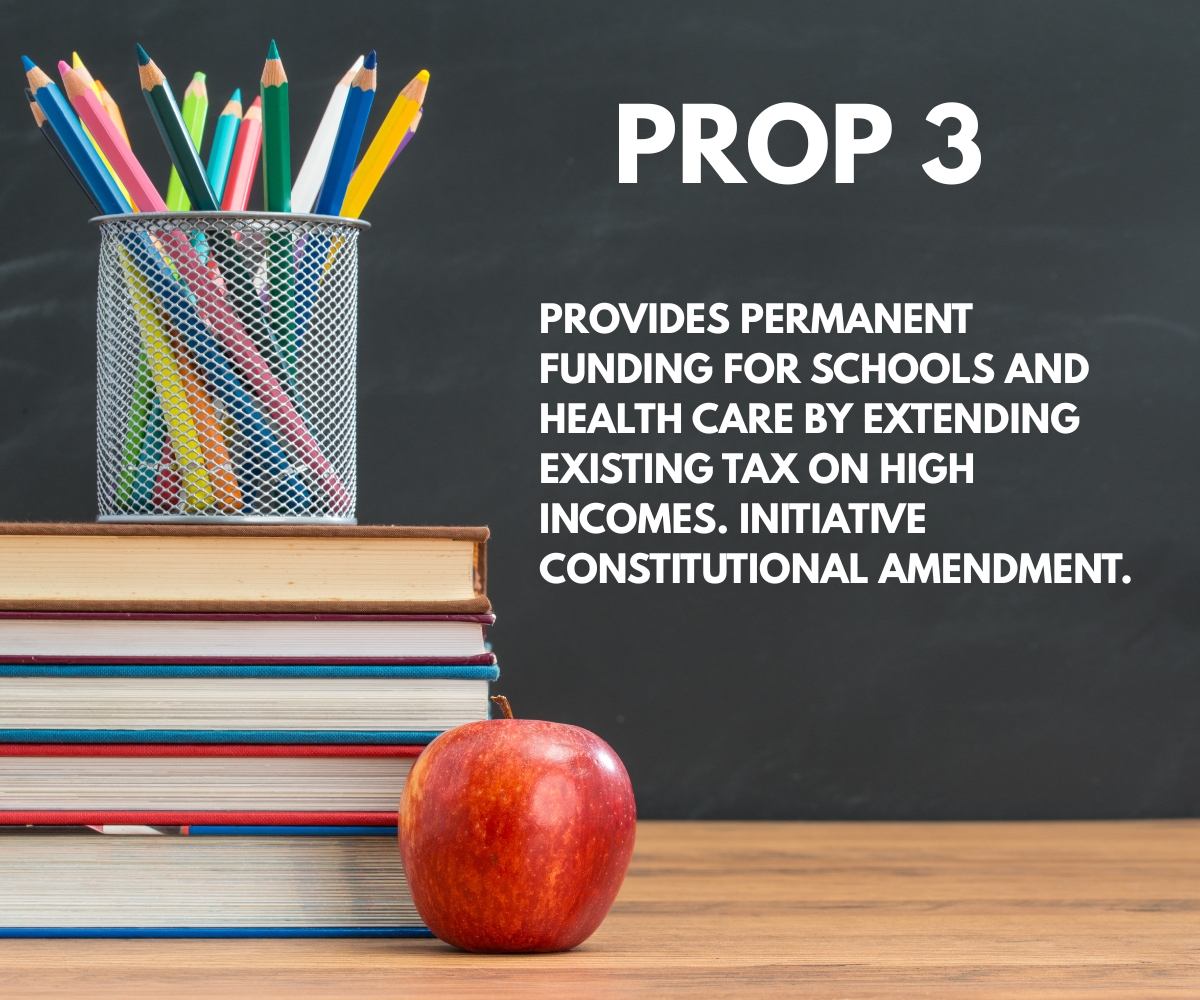
The measure would make permanent an existing income tax on the state’s highest earners, preserving an estimated $5 billion to $15 billion annually for education and other public services.
For immigrant families, the debate is especially important. Public schools often provide the English language instruction, counseling, healthcare referrals, and other support their children need to succeed.
At a voter education briefing hosted by American Community Media in partnership with the California Teachers Association, educators, healthcare professionals, and policy experts discussed what the measure could mean for students and families.
Their concerns centered on crowded classrooms, staffing shortages, healthcare access, and the consequences of losing an established source of state revenue.
What Proposition 3 Would Do
California voters first approved higher income tax rates on wealthy residents through Proposition 30 in 2012, during the Great Recession. They extended those rates through Proposition 55 in 2016.
The rates are scheduled to expire at the end of 2030.
Proposition 3 would make them permanent.
The measure affects approximately the top 2% of California income earners. Under the state’s 2025 income thresholds, the higher rates begin on taxable income exceeding approximately $371,000 for individuals and $742,000 for married couples filing jointly. Those thresholds are adjusted for inflation.
It would not increase existing tax rates or introduce a new tax.
According to California’s Legislative Analyst’s Office, continuing the tax would preserve an estimated $5 billion to $15 billion annually, depending on economic conditions.
Approximately 40% of the revenue would support public schools and community colleges. The remainder would support other state priorities, including healthcare and budget reserves.
Karen Getman, an attorney who helped develop the original tax measure and Proposition 3, explained that California introduced the tax when schools were facing severe financial pressure.
During the Great Recession, some classrooms had as many as 42 students. Thousands of teachers lost their jobs, and schools struggled to provide basic educational resources.
Getman said the tax helped stabilize school funding and has since become part of the state’s regular budget.
Supporters argue that allowing the revenue to expire would force difficult decisions about school and healthcare spending.
Opponents say the tax was originally intended to be temporary and question whether making it permanent is the best way to address California’s financial challenges.
What Schools Could Lose
Eva Ruiz, a Central Valley educator and District F member of the California Teachers Association, described the challenges schools already face.
A 2026 California Teachers Association survey found that 80% of responding educators reported insufficient resources to support students. Another 78% reported overcrowded classrooms, while 73% said their schools lacked enough educators.
Ruiz warned that losing revenue could worsen teacher shortages, increase class sizes, and place additional pressure on programs serving vulnerable students.
For a child learning English, fewer teachers can mean less individual attention. For students with disabilities, staffing shortages can affect access to specialized support. For working parents, reductions in before- and after-school programs can create additional childcare challenges.
These concerns are particularly relevant in immigrant communities.
Children who recently arrived in the United States may be learning English while adjusting to a new school system. Some need counseling, academic assistance, or help navigating unfamiliar expectations.
California’s Local Control Funding Formula directs additional resources to school districts serving higher numbers of low-income students, English learners, and foster youth.
Getman explained that this funding approach helps schools serving students with greater needs.
Proposition 3 would not automatically expand these programs. It would preserve revenue that contributes to the overall funding available to schools.
During the briefing, a journalist also raised concerns about whether immigration enforcement and deportations were affecting student enrollment and attendance.
Panelists did not provide data establishing a direct connection between deportations, enrollment declines, and Proposition 3.
However, enrollment and attendance can affect school funding, making these important issues for districts serving immigrant communities to examine.
Why School Nurses Matter
Dr. Sheri Coburn, executive director of the California School Nurses Organization, described the growing responsibilities of school nurses.
She once served approximately 5,000 students across five schools in California’s Central Valley. In another district, she was available only one day each week.
Her experience caring for the child with a severe asthma attack demonstrated the importance of having qualified medical professionals on campus.
Coburn also described a student whose recurring stomachaches were connected to distress at home. After speaking with the child, she helped connect the family with counseling.
Another student, initially believed to have difficulty paying attention, was experiencing seizures.
Without professional assessment, those conditions might have remained unidentified.
For immigrant families facing transportation barriers, limited insurance coverage, or difficulties navigating healthcare services, school nurses can be an important point of contact.
They can identify medical concerns, communicate with parents, provide referrals, and respond to emergencies.
Coburn warned that school health staffing can be affected when district budgets tighten.
Proposition 3 would not guarantee additional nurses at every school. However, losing significant education revenue could make it more difficult for districts to maintain existing staffing and services.
How Healthcare Fits Into Proposition 3
Proposition 3 also has implications for California’s healthcare budget.
Although a portion of the tax revenue supports education, maintaining that funding helps the state meet its school funding obligations while leaving other General Fund resources available for healthcare and public services.
Jodi Hicks, president and CEO of Planned Parenthood Affiliates of California, discussed financial pressures affecting healthcare providers following federal funding changes.
She described disruptions to clinic funding, reductions in services, and concerns about patients delaying care.
Hicks also noted that some immigrant families were becoming reluctant to seek healthcare because of fears surrounding federal immigration policies.
When families delay medical treatment, conditions can worsen, potentially increasing healthcare costs and affecting children’s school attendance.
Hicks argued that maintaining state revenue is especially important as California responds to federal healthcare cuts.
Proposition 3 would not directly reverse those cuts or guarantee continued access to specific healthcare programs. Its importance lies in preserving resources within the broader state budget.
Why Opponents Disagree
The California Taxpayers Association, Family Business Association of California, and California Hispanic Chambers of Commerce oppose Proposition 3.
They argue that voters originally approved the higher tax rates as a temporary measure and that making them permanent raises questions about government accountability.
Opponents also warn that California’s tax burden could encourage high-income residents and businesses to relocate, potentially reducing investment and future revenue.
Getman disputed those concerns during the briefing, pointing to earlier research that she said did not show widespread departures caused by the tax.
California’s reliance on high-income taxpayers remains a concern because revenue from those taxpayers can fluctuate with investment earnings and economic conditions.
Even if Proposition 3 passes, annual revenue would vary.
If it fails, the current tax rates would remain in place through 2030 before expiring in 2031.
State lawmakers would then have to determine how to address the reduction in revenue through spending decisions, alternative funding, or other budget adjustments.
For voters, the choice involves balancing the value of preserving established public funding against concerns about taxation, accountability, and California’s long-term economic competitiveness.
Community Colleges Are Also Affected
California’s community colleges would also benefit from continued education funding under Proposition 3.
For many immigrant and first-generation students, community college offers an affordable route to higher education and career development.
Students can improve their English, earn professional certificates, complete general education courses, or prepare to transfer to four-year universities.
Getman emphasized that community colleges allow students to explore educational and career options without immediately taking on the higher costs associated with universities.
Under Proposition 3, 89% of the measure’s dedicated education allocations would go to K–12 public schools, while 11% would go to community colleges.
Maintaining that funding could help protect programs and services used by students who are balancing education with employment and family responsibilities.
For immigrant families, access to affordable higher education remains an important pathway to economic opportunity.
What Voters and Families Need to Know
A yes vote on Proposition 3 would make California’s existing higher income tax rates on high earners permanent.
A no vote would allow those rates to expire at the end of 2030 under current law.
The measure would not immediately change income tax rates for most Californians.
Families who want to understand how school funding affects their communities can start with their local school districts.
School district budgets and public reports can show how much funding schools receive and how resources are allocated.
Parents can ask whether their schools have enough teachers, counselors, nurses, and staff to support English learners and students with disabilities.
Immigrant parents who cannot vote can still participate in school board meetings, speak with educators, and ask questions about their children’s education.
Eligible voters can review the measure’s details and the arguments from both sides through the California Secretary of State’s official Proposition 3 voter guide.
For many immigrant parents, education is central to the opportunities they hope to provide their children.
The decision on Proposition 3 could affect the resources available to support those opportunities for years to come.
Whatever the outcome on November 3, California’s schools will still need teachers, counselors, nurses, and programs that help children learn and succeed.
The question for voters is how the state should pay for them.
#CaliforniaProp3 #Prop3 #CaliforniaElections2026 #ImmigrantFamilies #ImmigrantCommunities #PublicEducation #CaliforniaSchools #EducationFunding #EnglishLanguageLearners #HealthcareAccess #VoterEducation #TheImmigrantMagazine