

As sourcing from Asia grows more complex, businesses are discovering that visibility, coordination, and trusted relationships have become just as important as transportation itself.
Somewhere in America, a business owner is waiting.
Perhaps it’s a retailer preparing for a busy season. Perhaps it’s an entrepreneur who has invested months sourcing products from a manufacturer thousands of miles away. Perhaps it’s a growing company counting on inventory arriving on time to fulfill customer orders, keep shelves stocked, and maintain the trust of loyal customers.
The container carrying those products may be crossing the Pacific Ocean at this very moment.
What many consumers never see is that behind every shipment lies a chain of decisions, relationships, and moving parts stretching across continents. When everything works, products arrive, businesses thrive, and opportunities grow. When disruptions occur, the consequences can ripple far beyond the ports and warehouses where delays begin.
For American importers sourcing products from Asia, those realities have become increasingly familiar.
Over the past several years, shifting trade policies, tariff uncertainty, customs compliance requirements, rising transportation costs, and evolving consumer expectations have transformed logistics from a back-office function into one of the most important drivers of business success.
In today’s marketplace, success depends on more than moving freight.
It depends on visibility.
It depends on communication.
And increasingly, it depends on relationships.
That reality was reflected in a recent meeting at the Port of Los Angeles between Anton Tombu, Vice President of Business Development at XCT Logistics, and Eugene Seroka, Executive Director of the Port of Los Angeles.
While the meeting did not produce a formal announcement, it reflected something much larger taking place across the logistics industry: a growing recognition that resilient supply chains are built not only on infrastructure but also on collaboration.
According to Tombu, today’s importers need more than transportation services. They increasingly require visibility, communication, and coordination across the supply chain to manage risk, maintain inventory flow, and respond quickly to changing market conditions.
The most successful importers, he believes, are no longer looking for vendors that simply move freight. They are seeking logistics partners capable of helping them navigate complexity from factory floor to final delivery.
And in a world where sourcing networks now stretch across China, Vietnam, Cambodia, Taiwan, and other manufacturing hubs throughout Asia, that level of coordination has become more important than ever.
For businesses sourcing products throughout Asia, that matters.
The Port of Los Angeles remains one of America’s most important gateways to global trade, connecting U.S. businesses with manufacturers and suppliers throughout the Asia-Pacific region. Every day, products ranging from electronics and furniture to apparel, industrial equipment, and e-commerce inventory move through its terminals on their journey to warehouses, retailers, and consumers across the country.
Yet many supply chain challenges begin long before a shipment reaches Southern California.
They often begin months earlier.
A sourcing decision made in Shenzhen, Ho Chi Minh City, Taipei, or Phnom Penh can influence transportation timelines, customs requirements, inventory planning, warehousing needs, and customer delivery expectations throughout the entire supply chain.
The sourcing landscape itself is evolving. While China remains a major manufacturing hub, many businesses are expanding production across Vietnam, Cambodia, Thailand, Taiwan, and other markets in search of greater flexibility and resilience. These opportunities can help companies diversify their operations, but they also introduce new layers of complexity.
Managing suppliers across multiple countries requires coordination, visibility, and expertise.
For importers navigating that reality, logistics has become far more than transportation. It has become a strategic advantage.
Consider two businesses.
One is a furniture importer sourcing products from Vietnam. The other is an e-commerce company importing consumer electronics from China. While their products differ, their challenges are remarkably similar. Both depend on accurate forecasting, efficient transportation, customs compliance, warehousing coordination, and reliable distribution networks to keep products moving and customers satisfied.
When communication breaks down, delays occur, or visibility is lost, the consequences can quickly extend beyond logistics.
Inventory shortages can affect revenue.
Missed delivery windows can impact customer trust.
Unexpected costs can pressure already thin margins.
Behind every delayed shipment is a business owner trying to keep promises—to customers, employees, partners, and often family members who have invested in the business’s success.
That reality is changing how companies evaluate logistics partners.
More businesses are moving away from fragmented solutions and seeking providers capable of managing multiple stages of the supply chain under a single operational framework. Ocean freight, customs coordination, warehousing, fulfillment, distribution, and final-mile delivery are increasingly interconnected, requiring greater visibility and communication at every step.
For importers, the goal is no longer simply transporting goods from point A to point B.
The goal is creating a supply chain capable of adapting to change while maintaining efficiency, reliability, and control.
This is where companies like XCT Logistics have focused their efforts.
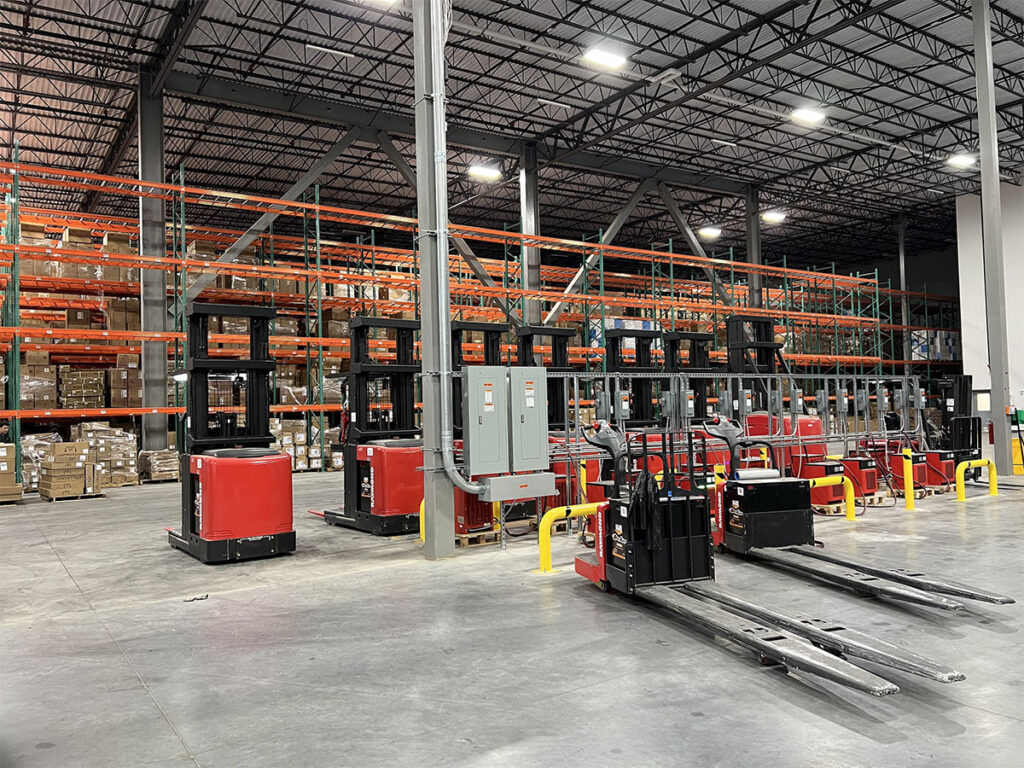
With operations throughout China and Southeast Asia and more than one million square feet of warehouse capacity across the United States, XCT has built an integrated logistics network designed to support businesses moving products between Asia and North America.
What distinguishes the company’s approach is its emphasis on integration.
While many logistics providers focus on individual segments of the supply chain, XCT’s model centers on connecting sourcing, transportation, customs coordination, warehousing, fulfillment, and distribution into a coordinated process designed to improve visibility and reduce complexity.
The objective is straightforward: help importers maintain greater control over their operations while minimizing disruptions that can affect profitability and growth.
For many businesses, that level of coordination has become increasingly valuable.
Importers today face challenges that extend far beyond transportation rates. Customs delays can disrupt inventory planning. Unexpected fees can affect profitability. Warehousing bottlenecks can slow fulfillment. Poor communication can create uncertainty throughout the supply chain.
For many companies, customs compliance has become just as important as transportation itself. Regulatory requirements, documentation accuracy, tariff considerations, and changing trade policies can all influence the speed and efficiency of cargo movement. Even minor errors can create delays that affect inventory availability and customer commitments.
As a result, importers are increasingly looking for logistics partners that combine operational execution with compliance expertise. The ability to identify potential issues before they become disruptions can help businesses protect margins, improve reliability, and maintain continuity throughout the supply chain.
XCT was built around addressing many of these realities by helping businesses connect suppliers in Asia with warehousing, fulfillment, and distribution operations throughout the United States through a more coordinated logistics strategy.
The recent conversation between Tombu and Seroka also reflects another important truth about international trade.
Strong supply chains are built on strong relationships.
Ports, carriers, customs specialists, warehouse operators, freight forwarders, trucking companies, and importers all play interconnected roles in keeping goods moving efficiently. The stronger the communication and collaboration among those stakeholders, the more resilient the supply chain becomes.
That philosophy has become a central part of XCT Logistics’ growth strategy as the company continues building relationships throughout Southern California’s trade community and engaging with organizations helping shape the future of global commerce.
Increasingly, businesses are seeking logistics partners that function as extensions of their operations rather than transactional service providers. The ability to coordinate transportation, warehousing, fulfillment, customs support, and distribution through a single relationship can reduce complexity while improving communication and operational visibility.
That philosophy has helped shape XCT Logistics’ approach. By combining international capabilities throughout Asia with warehousing, fulfillment, and distribution resources across the United States, the company aims to provide importers with a more integrated supply chain strategy designed to support both growth and resilience.
Companies that build resilient supply chains often gain more than efficiency.
They gain flexibility.
They reduce risk.
They improve customer satisfaction.
And they create stronger foundations for long-term growth.
The Port of Los Angeles has long served as America’s gateway to the Pacific, connecting businesses, manufacturers, and communities across continents. But as global trade continues to evolve, one lesson remains remarkably consistent: success is rarely built alone.
Behind every container is a network of people working to solve problems, build relationships, and create opportunity.
In today’s global economy, products may travel thousands of miles, but trust remains the bridge that connects them from one shore to another.
For importers navigating an increasingly complex marketplace, that may be the most valuable cargo of all.
About XCT Logistics
XCT Logistics provides integrated supply chain solutions connecting manufacturers and suppliers throughout Asia with transportation, warehousing, fulfillment, distribution, and logistics networks across the United States. The company helps importers improve visibility, reduce complexity, and maintain greater control throughout the supply chain process.
Website: https://xctintl.com
Business Inquiries
Anton Tombu
Vice President, Business Development
Email: anton.tombu@xctintl.com
Phone: (310) 938-6111
Whether you’re importing consumer goods, e-commerce products, furniture, electronics, industrial materials, or retail inventory, XCT Logistics offers customized solutions designed to help businesses move products efficiently from Asia to the U.S. market.
ImportingFromAsia #GlobalLogistics #SupplyChainManagement #PortOfLosAngeles #InternationalTrade #Warehousing #FreightForwarding #BusinessGrowth #SupplyChain #XCTLogistics