A journalist’s journey through Los Angeles parks reveals how immigrant communities reclaim green spaces as sites of healing, culture, and power.
Magazine, Living Well, By Pamela Anchang
There’s something intimate about a park bench in the shade. There’s something sacred about watching your child laugh under a tree, in a space that feels safe. In Los Angeles, where concrete often outpaces canopy, where neighborhoods carry the scars of redlining and neglect, a park is never just a patch of green.
Over the past year, I’ve had the privilege—and responsibility—of listening to how immigrant families across this city find solace, connection, and identity in public parks. I’ve walked with them, sat beside them, and heard stories that rarely make headlines. Stories that reveal a simple truth: our parks are more than recreation—they are restoration.
I know this truth personally. Mar Vista Park raised my kids. As a mother and immigrant woman, that space became our second home. It held us through transitions, soothed us after long days, and reminded us we belonged—even when everything else in this country felt uncertain. I watched my children grow into their voices on that playground. I saw cultures collide and harmonize—Black, Latino, Asian, and white—all staking their small, sacred claims to joy. And as I looked around, I realized something profound: no matter our roots, we were all reaching for the same sun.
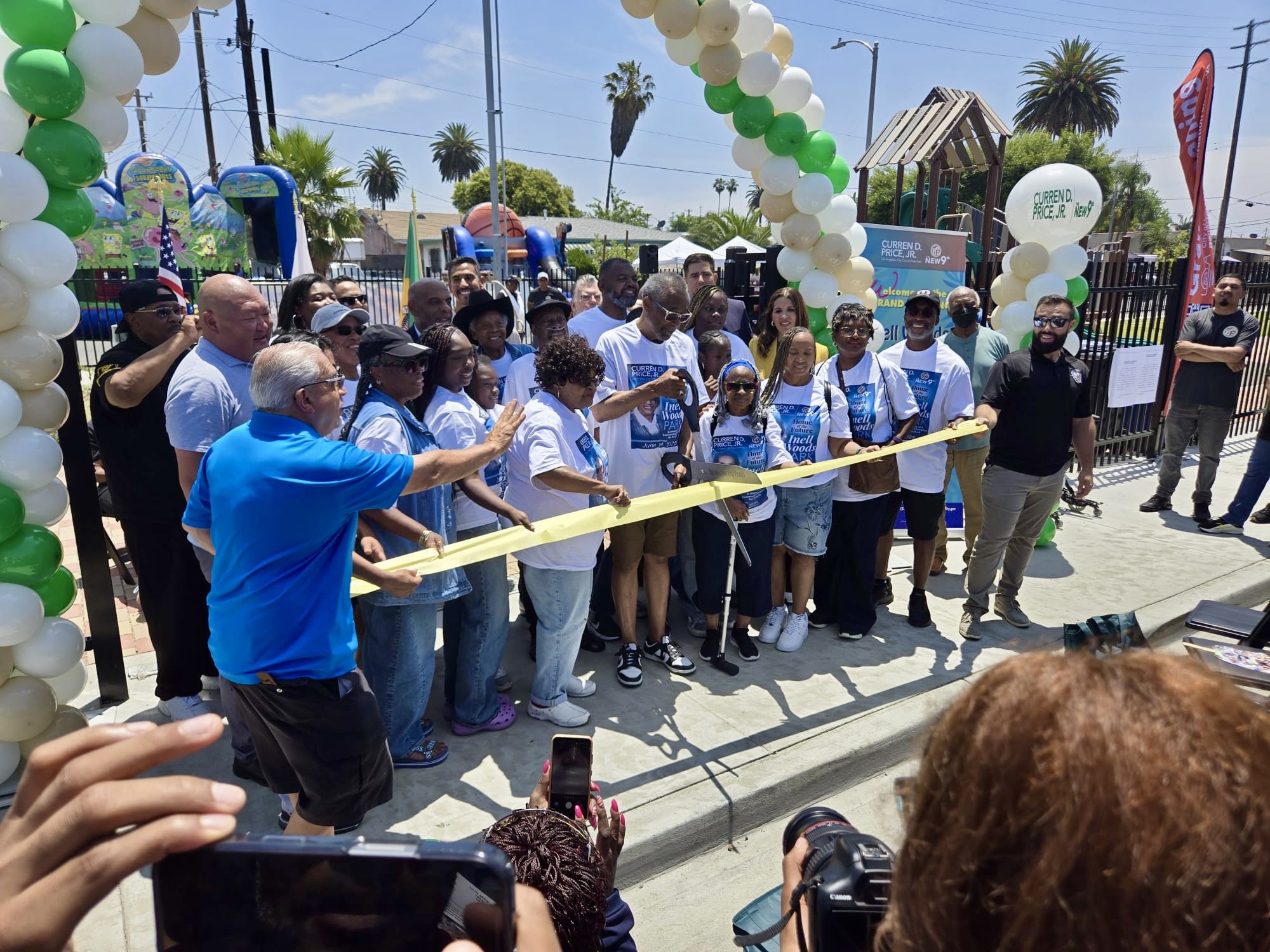
So when I began reporting on parks across LA, I carried that personal lens with me. In Inglewood, I met mothers dreaming of splash pads and sensory gardens—not luxuries, but lifelines. In South LA, I stood beside elders cutting ribbons for Inell Woods Park, their eyes wet with memory and pride. In East LA and West LA, I saw how sports fields became stages for community healing. Every story deepened my conviction: the fight for green space is the fight for dignity.
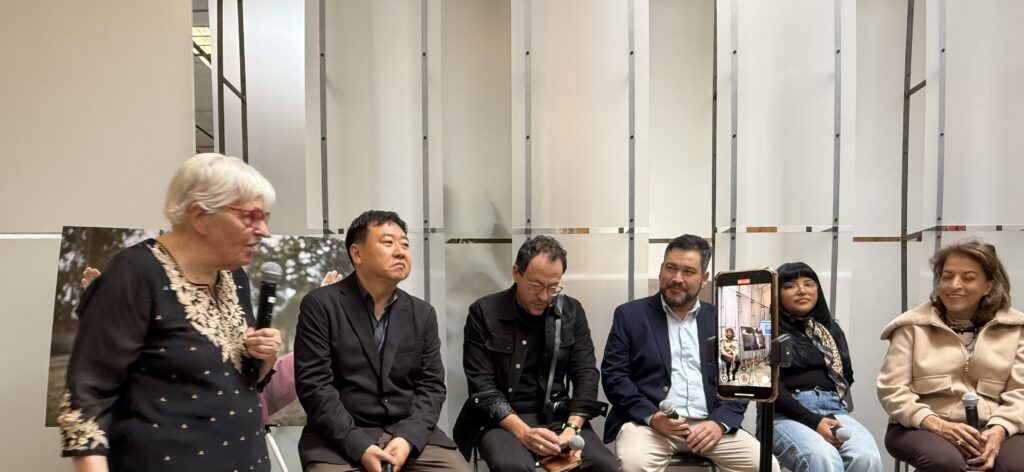
That journey came full circle at a recent gathering: Narrative Change Strategies for Parks and Urban Greening, hosted by Jon Christensen of UCLA’s Laboratory for Environmental Narrative Strategies and American Community Media. It wasn’t just a conference—it felt like a homecoming.
Moderated by ACoM’s Sandy Close, the panel of ethnic and community journalists reflected our city in full color and complexity. From print to photo, radio to television, we were a spectrum of storytellers—each carrying truths from the frontlines of our communities. As we shared what we had seen and what we had felt, a pattern emerged: while our methods varied, our message was the same.
Manuel Ortiz spoke of the power of the lens—how photography captured the sacred rituals happening in overlooked parks. Brenda Verano talked about holding officials accountable through local reporting. Paul Chun painted a picture of Koreatown’s lone park as both memorial and meeting ground. Fatmeh Bakhit reminded us that healing can be found in the rhythms of daily walks. Carlos Aviles showed how revitalized parks pulled youth away from danger and toward dreams.
I sat there, listening, nodding, and reflecting. Their stories echoed mine. What started for me in Mar Vista wasn’t isolated—it was universal.
What struck me most wasn’t just the stories, but the transformation we’d all undergone. This project wasn’t just an assignment. For many of us, it was an awakening. A deeper connection to our roots, our neighbors, and this shared land.
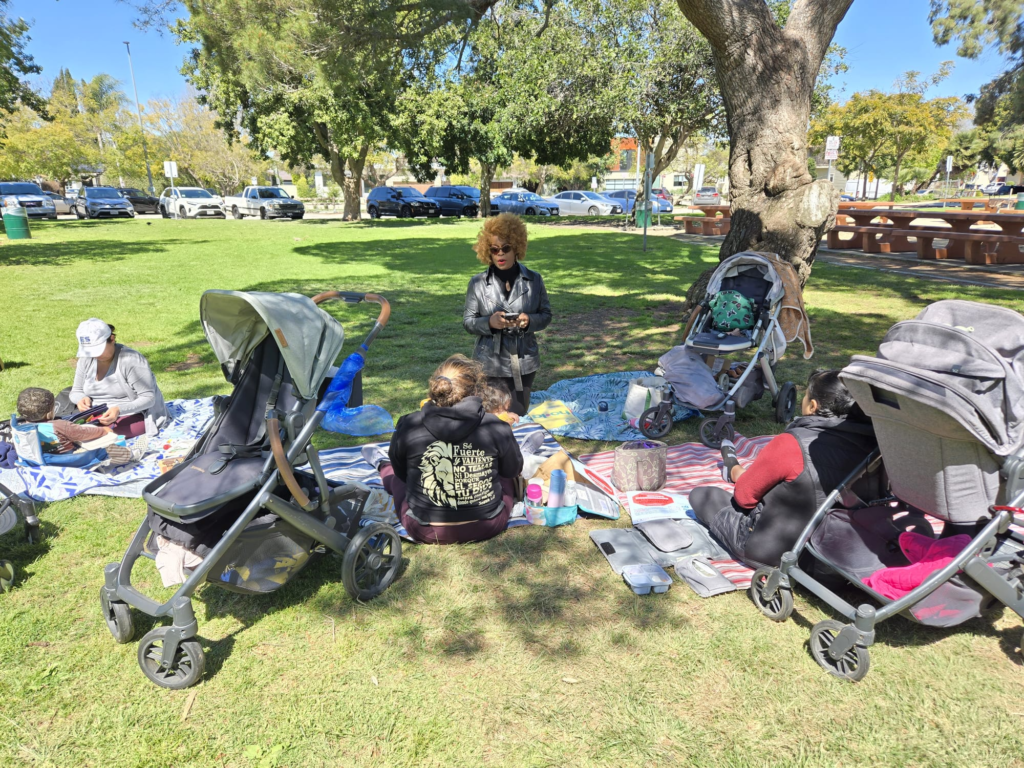
Our parks are doing work no policy report can fully capture. They are where joy returns. Where cultures coexist. Where grief softens and laughter rises. But they are not equally distributed. Nearly a million people in LA still live without a park within walking distance—mostly in communities of color. That is not coincidence. That is the cost of systemic neglect.
And that’s why we tell these stories. Because narrative is power. Because when immigrant journalists speak from within their communities, we don’t just report—we repair. We don’t just observe—we uplift.
This past year of reporting has felt like a pilgrimage. Every park, every person, every voice stitched into a larger quilt of what LA could be—if we listened, if we cared, if we acted.
And the convening? It wasn’t a finale. It was a seed.
A reminder that our stories matter. That our voices carry weight. That even the smallest park can hold the biggest dreams.
If you ask me what parks mean to immigrant families like mine, I’ll tell you this: they mean memory. They mean safety. They mean future.
We’ve told our truths. Now it’s time for the city to honor them.
#ParkEquity #ImmigrantVoices #GreenSpacesLA #EthnicMedia #UrbanJustice #HealingInPublicSpaces #LAMoms #NarrativeChange #CommunityPower #BelongingThroughParks