
Athletes, investors, founders and civic leaders will gather June 9 at The London West Hollywood to explore elite performance, mentorship, AI and the future of athlete development
WEST HOLLYWOOD, Calif. — Just days before the FIFA World Cup 2026 kicks off in North America, leaders from sports, technology, investment, entertainment community will gather for Role Models in Sports, an invitation-only evening focused on the psychology of elite performance and the mentors who shape the next generation of athletes.
The event will take place on June 9 at The London West Hollywood, with opening remarks by West Hollywood Mayor John Heilman. The evening is hosted by Peter Stridh, Katriina Lillelund and Stefanie Unger.
Timed immediately ahead of the World Cup’s June 11 opening match and Los Angeles’ major World Cup programming, including the U.S. Men’s National Team opening match at SoFi Stadium on June 12, the event will explore one of the fastest-emerging conversations in global sport: how psychology, leadership, mentorship, technology and data can help identify and develop the complete athlete.
“Elite performance is not just physical,” said Katriina Lillelund, Founder and CEO of AthreQ. “The world’s best athletes show recurring psychological patterns — resilience, adaptability, emotional control, coachability, discipline and decision speed. As sports organizations increasingly use data and AI to understand talent, the human question becomes even more important: how do we identify, develop and support the complete athlete?”
The featured panel, “Understanding the Signature Psychology of the World’s Best Athletes,” will examine how the psychology of elite athletes impacts team culture, recruiting, performance outcomes and long-term success. Discussion topics will include resilience, confidence, emotional regulation, competitiveness, coachability, leadership, talent identification and the role of AI in uncovering patterns traditional scouting may miss.
“With the World Cup arriving in North America and Los Angeles preparing to welcome the world’s game, the timing could not be better for this conversation,” said Peter Stridh, Event Host, Swedish-American Chamber of Commerce of Los Angeles.
“Sports technology, athlete intelligence and performance psychology are becoming a major growth industry. For the Swedish-American business community, this is exactly the kind of cross-border, high-growth sector where Sweden and California can lead together.”
The evening will feature a distinguished group of speakers, including:
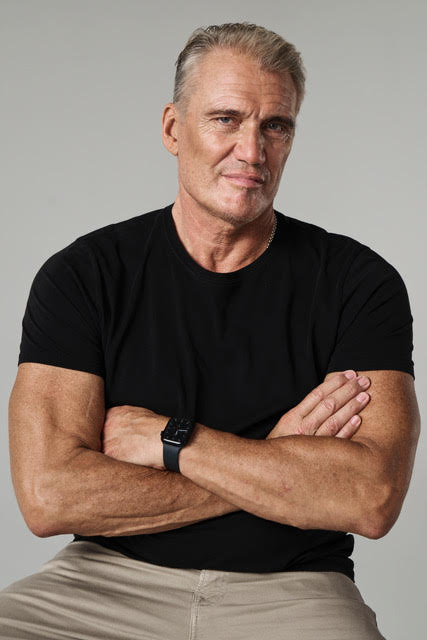
Dolph Lundgren, Swedish actor, filmmaker, engineer, martial artist and lifelong high-performance athlete. Lundgren is a former captain of the Swedish National Karate Team, a champion in Swedish, European and Australian heavyweight full-contact karate, and served as Team Leader of the U.S. Olympic Modern Pentathlon Team during the 1996 Atlanta Games.
Katriina Lillelund, Founder and CEO of AthreQ, an AI-powered player intelligence company focused on helping sports organizations identify, evaluate and develop talent through advanced psychological profiling and AI-driven insights.
Andrew Beinbrink, Founder and CEO of SportsForce, former Arizona State All-American and professional baseball player in the Tampa Bay Rays and Texas Rangers organizations, whose work helps student-athletes navigate recruiting and scholarship opportunities.
Lisa Tengbom, Swedish-born strategy and growth leader, former professional alpine skier and Swedish National Champion, whose work spans longevity, wellness, business intelligence, growth strategy and startup mentorship.
The program will also connect the evening’s conversation about elite performance to the broader role of mentorship in youth development. It will conclude with a Mentor Award Ceremony recognizing leadership, resilience, and positive influence on the next generation.
The award will be presented by Ruth Morales, with the U.S. Drug Enforcement Administration’s (DEA) Operation Engage – Los Angeles Division and Gudrun Giddings, Honorary Consul General of Sweden in LA and Board Member, Mentor Foundation USA. Mentor Foundation USA is part of the global Mentor International network, founded in 1994 by H.M. Queen Silvia of Sweden in collaboration with the World Health Organization, and dedicated to helping young people make healthy and positive life choices .
Mayor Heilman’s participation adds a civic leadership dimension to the evening. He is one of the longest-serving elected officials in the United States and is currently serving his 2026 term as Mayor of West Hollywood after multiple prior mayoral terms dating back to 1985.
The event is supported by organizations including AthreQ AI, Amazon Web Services and Milkadamia. AthreQ is focused on AI-powered player assessment and psychological profiling in sports; AWS supports cloud infrastructure and AI services powering the future of sports technology; and Milkadamia is a plant-based nutrition company focused on regenerative agriculture and climate-forward food innovation.
Event Details
Role Models in Sports
Date: June 9, 2026
Location: The London West Hollywood
Format: Private invitation-only event
Dolph Lundgren Photo Credit: Per Bernal
#WorldCup2026 #SportsPsychology #AthleteDevelopment #SportsTech #AIinSports #MentorshipMatters #LeadershipInSports #LosAngelesEvents #ElitePerformance #FutureOfSports